Ian Thomas Malone

Friday

7

June 2019

0

COMMENTS

Dark Phoenix Is an Enjoyable, Flawed Sendoff for the X-Men

Written by , Posted in Blog, Movie Reviews, Pop Culture

For all the ways that 2011’s X-Men: First Class represented a fresh start for the superhero franchise that helped establish the genre as a cinematic powerhouse, the series never really let go of its roots. The majority of the principal cast of the original trilogy returned for 2014’s Days of Future Past, which also served as their do-over sendoff following the lackluster reception to 2006’s The Last Stand. Hugh Jackman’s Wolverine remained a major part of the franchise, starring in his own trilogy in addition to cameo appearances in both First Class and 2016’s Apocalypse. Deadpool, a character first played by Ryan Reynolds in 2009’s poorly received X-Men Origins: Wolverine, existed ostensibly in both worlds, while shattering the fourth wall in just about every way imaginable.

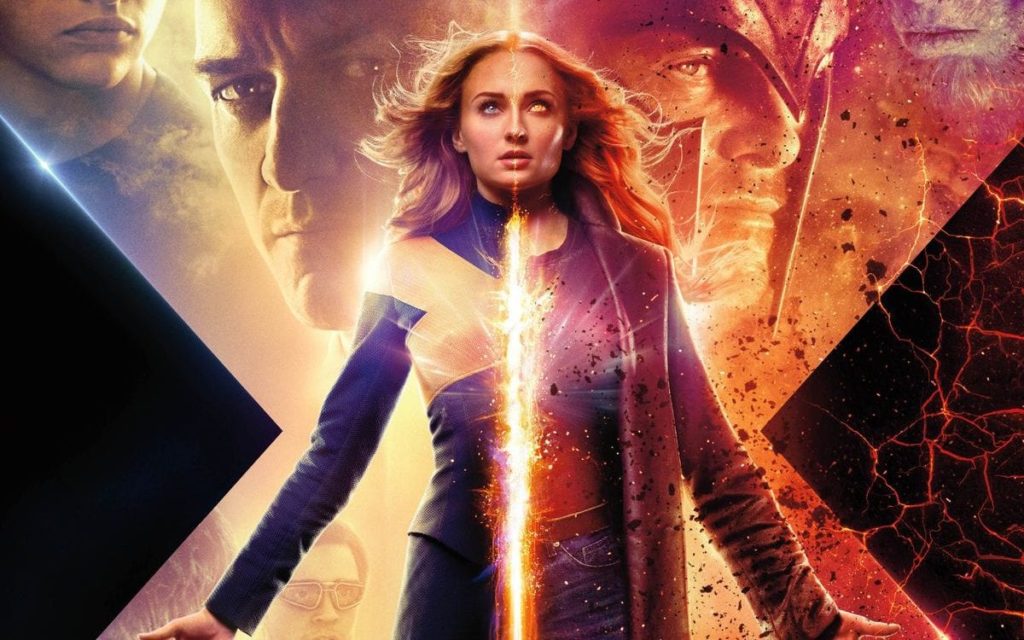
The X-Men franchise’s timeline is such a splintered mess that it’s hard to call the James McAvoy/Jennifer Lawrence/Michael Fassbender-lead team a reboot, a prequel, or even a second generation. Like Days of Future Past, Dark Phoenix set out to clean up the mess that was The Last Stand, while serving as a farewell to Fox era before Disney takes over the reins. Deadpool is likely going to be only remaining tie to the franchise that first began in 2000, assuming his R-rated humor has a place in Disney’s family-friendly world.

Dark Phoenix is not a film particularly concerned with serving as the finale for nearly twenty years of history. The film is the first with the name X-Men in the title not to feature an appearance from Wolverine. Only four actors from First Class remain, McAvoy, Lawrence, Fassbender, and Nicholas Hoult. Many of the X-Men in Dark Phoenix, including Sophie Turner’s Jean Grey, only made their debut in the previous film. The lackluster reception to Apocalypse further complicates the idea that this current iteration of the team is capable of meeting the broader expectations that the franchise’s extensive history has created.

The best it could hope to achieve is a satisfying send off to the four characters who have carried this chapter of the franchise. McAvoy, Lawrence, Fassbender, and Hoult all get their moments to reflect on their journey, even if Dark Phoenix’s broader narrative isn’t really about wrapping up the X-Men. It’s a film about Jean Grey that’s only sort of about Jean Grey. Part of this reflects the reality of Turner’s late entrance into the series, as The Last Stand’s attempt at the storyline featured Famke Janssen, whose earlier take on the character had played a pivotal role on the team up to that point.

The audience simply hasn’t had enough time with Turner’s Grey for the character to feel all that compelling. At times the film feels like it’s relying too hard on the audience’s familiarity with either the character or Turner as an actress, spending little time presenting a case for why we should care about this iteration of the powerful mutant. With obligations to wrap up the franchise, this approach is hardly a bad idea, but the film’s emotional core at times feels completely all over the place.

The narrative ends up working pretty well as a film. The action scenes are quite enjoyable, giving each mutant a chance to work their magic one last time. Jessica Chastain gives a compelling performance as Vuk, the leader of the alien race the D’Bari, who seek to harness the power of the Phoenix after the force destroyed their homeworld. At times, Vuk feels a bit too obligatory as an antagonist, but the film’s preoccupation with X-Men’s own sense of morality is a better use of its time.

At times, the film frames Charles Xavier as its true villain for using his school as a farm system for broader political motivations, a mildly awkward heel turn for McAvoy that doesn’t feel entirely earned given the arc of the character for the past few films. The humans vs. mutants dynamic remains present, but isn’t the true focus of the narrative. Casting Xavier as a manipulator is a means to an end, which is certainly fitting given that this is in fact, the end.

With a runtime of just under two hours, Dark Phoenix moves at a brisk pace considering all it needed to accomplish. The film presents a self-contained narrative while simultaneously wrapping up the franchise’s extensive history. It juggles all of that surprisingly well, with an excellent final act that brings everything all together.

The biggest letdown of the recent X-Men era has been the poor handling of Evan Peter’s Quicksilver, who looked poised to be the breakout star of the franchise after his excellent debut in Days of Future Past. Quicksilver never reached the high of that beautifully shot kitchen sequence set to the music of Jim Croce’s “Time in a Bottle,” and only plays a minimal role in Dark Phoenix. Under different circumstances, Peters might have had a solo outing in the role plus another installment in the main franchise, but Disney’s acquisition of Fox called for this to be the end of the line.

Dark Phoenix was not particularly well-equipped to be the finale for close to two decades of franchise lore, but it makes the most of its truncated circumstances. We barely know these iterations of Jean, Cyclops, Nightcrawler, and Storm. It’s hardly this film’s fault that the franchise is headed into hibernation before an eventual reboot into the MCU. It’s an awkward goodbye, but an enjoyable movie. McAvoy, Lawrence, Fassbender, and Hoult all deserve better, but they made the most of an imperfect situation.

Monday

3

June 2019

0

COMMENTS

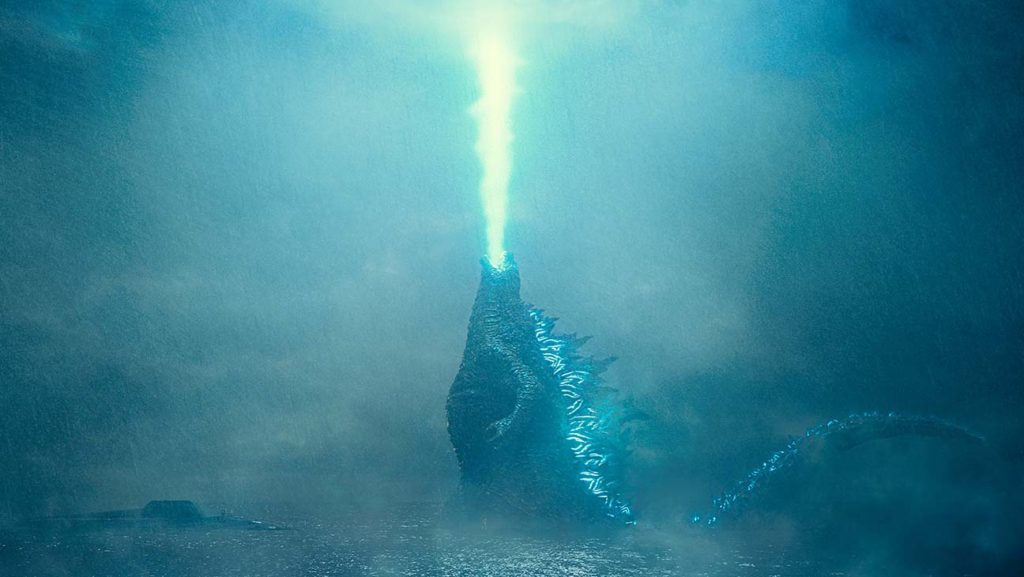
Godzilla: King of the Monsters Has Too Much Going On

Written by , Posted in Blog, Movie Reviews, Pop Culture

Decades before massively interconnected universes took hold in American cinema, Godzilla roamed the earth fighting whatever titan parent company Toho could throw at him. Since 1954, the King of the Monsters has battled King Kong, Frankenstein, Mothra and a whole litany of creatures who have spawned plenty of spin-off films of their home. The idea of Legendary Pictures doing a MonsterVerse that includes Godzilla makes plenty of sense, a natural trajectory for the character.

The execution of this broader universe created some unfortunate trouble for Godzilla: King of the Monsters, a direct sequel to 2014’s Godzilla. Five years is a long time to wait between installments, especially when so few of the human characters returned. As a character, Godzilla needs no introduction, but King of the Monsters largely relies on the fallout of the last movie.

Newcomers Drs. Mark and Emma Russell, played by Kyle Chandler and Vera Farmiga, are essentially retconned into the latter portion of the first film, having lost their son in the 2014 attack. The real-world fallout from Godzilla’s last romp through civilization weighs heavily on King of the Monsters, as the characters ponder the morality of what to do with such magnificent yet destructive creatures. Ken Watanabe, Sally Hawkins, and David Strathairn reprise their earlier roles, fighting to understand humanity’s role in circumstances beyond our control.

The trouble with having the earlier film play such a prominent role in the narrative is that the film never really seems clear on what it wants to be, too overstuffed with strands of plot to form anything cohesive. Millie Bobby Brown, who plays the Russell’s only surviving child Madison, gives an energetic performance that often feels out of place given everything else going on. Charles Dance’s villainous Alan Jonah finds himself in a similar role, an awkward antagonist that the film doesn’t seem to have much time for.

The ties to the earlier film do serve some useful narrative purposes, allowing the film to get going without much need for world building. Watanabe’s Dr. Ishirō Serizawa is given a few moments to shine, delivering some emotionally resonant scenes that are undoubtedly enhanced by his prior appearance. Between Serizawa and his team of researchers and military personnel, it’s hard to see why the Russell family was needed for the narrative. As a result, the film feels overstuffed with human characters, quite problematic for a film featuring multiple monsters.

Godzilla feels surprisingly diminished in his own movie. Much of the focus is given to Ghidorah, understandable given the monster’s role as the villain, but the title character barely gets a moment to shine. There’s simply too much going on for anybody in the film to stand out.

The action scenes are well-crafted, but there’s too few of them for a film with a runtime of over two hours. The script has a few timely bits of humor, but the dialogue is pretty clichéd and boring. The film didn’t need to do much to create an entertaining experience, but muddled the waters with an overstuffed narrative that failed to leave any kind of lasting impression.

The film spends a bit too much time setting up next year’s Godzilla vs. Kong. While every entry in an interconnected universe naturally needs to set up the next installment, the best teasers tend to be either subtle or at the end of the narrative. King of the Monsters includes numerous mentions of Skull Island throughout the film, a puzzling decision considering the amount of creatures already present in the narrative. Instead of making the audience excited for the next film, the end result makes one feel a bit disappointed that King Kong didn’t make his entrance in this one.

Godzilla: King of the Monsters clutters its narrative with too many loose strands of plot while failing to let its title character shine. None of these iconic monsters needed grand introductions to a public who’s known about them for decades. An enjoyable experience would’ve sufficed. Unfortunately, this film tried to do too much, crumbling under its own excess.

Monday

27

May 2019

3

COMMENTS

Game of Thrones’ Final Season Was a Frantic Mess

Written by , Posted in Blog, Game of Thrones, Pop Culture, TV Reviews

The image of Daenerys Targaryen’s massive armada sailing to Westeros at the end of season six ended up being the high point of her time on the series. After spending years building her up as the apex player destined to “break the wheel,” seasons seven and eight largely focused on tearing her back down, slowly eating away at her army until her opposition established a believable sense of equal footing. Dany may have taken King’s Landing with brute force, but her cause was lost with waiting, heeding Tyrion’s advice not to sack the capital at the expense of most of her original Westerosi allies.

Season eight sought out to complete Dany’s downward spiral, along with defeating the White Walkers and providing satisfactory conclusions for many of the show’s large ensemble. All in six episodes, a choice made by creators David Benioff and D.B. Weiss. To call this season rushed would be an understatement.

The first two episodes largely concerned themselves with table-setting for “The Long Night.” Episode two, “A Knight of the Seven Kingdoms,” stands out as one of the best of the series for its focus on the complex relationships between the many characters, an immensely satisfying episode that functioned as a bit of a finale in its own right. The calm pace of the first two episodes contrasts with the frantic nature of the final two, which barely took a moment to breathe, more than understandable given how much needed to be done before the end.

A six-episode season was never going to be enough to wrap up such a complex series, but a bigger issue was the fact that the show dedicated half its final run to an underwhelming villain who didn’t even factor into the endgame. The White Walkers may have been a presence in the show since the first episode, but the underwhelming battle of Winterfell failed to reflect the Night King’s billing as an arch villain. Considering how rushed the final three episodes felt, it’s clear that the Night King should have been disposed of last season, giving the show a bit more wiggle room to focus on its endgame.

The first four episodes all built up a feud between Daenerys and Sansa that ended up pretty much going nowhere. You could argue that Sansa’s feelings toward Dany helped turn Jon, Tyrion, and Varys against her, but the Northern territorial disputes were hardly needed in that regard. Dany’s burning of King’s Landing superseded any of the peripheral politics.

The show struggled to portray Jon and Dany’s relationship, complicated by a few reasons. Putting aside the incest, Kit Harrington and Emilia Clarke didn’t have much natural chemistry, exacerbated by the show’s reluctance to give them scenes alone together. Jon’s stabbing of Dany made for beautiful cinematography, but the gravity of the moment failed to accurately reflect the underdeveloped nature of their relationship.

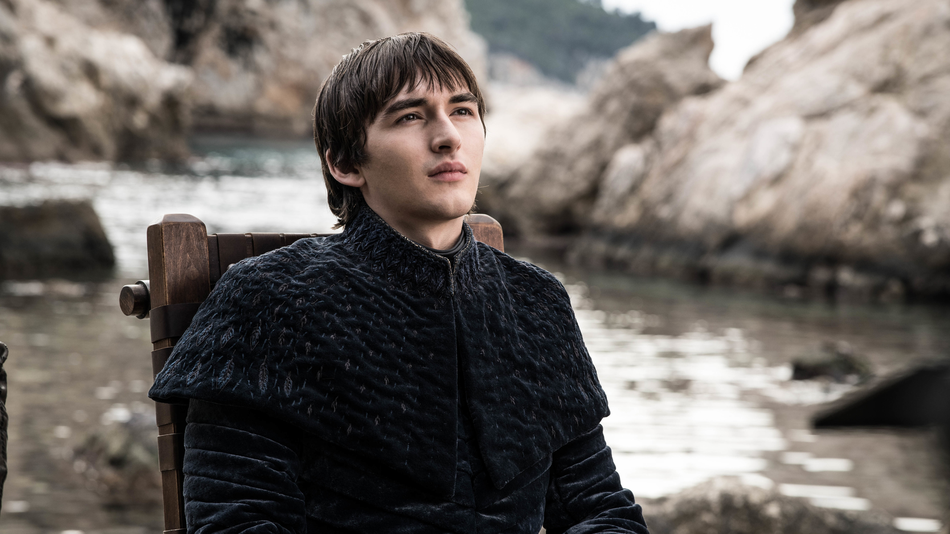
For a show ostensibly about the mechanics of power, the idea of having Bran end up on the show is complicated to say the least. His abilities helped turn the tide of the Battle of Winterfell, but the three-eyed raven stayed out of the conflict in King’s Landing. We don’t know if he made the decision based on the knowledge that he’d become king, but we don’t necessarily need to in order to recognize that a monarch shouldn’t possess that kind of absolute power.

The finale acknowledged Tyrion’s mistakes, suggesting he’d spend the rest of his life fixing them, but such a “punishment” perhaps fails to truly acknowledge his role in Dany’s decline. It’s hard to find a single moment in his time as Dany’s Hand where he offered good advice. Why would he be rewarded for such incompetence?

Cersei felt weirdly irrelevant for too much of the season. For all the excellent villains we’ve seen on the show over the years, Cersei has always been the best. The show made the right move placing her as the final big bad over the Night King, but it didn’t give her many opportunities to shine. Instead, she mostly stood around giving orders and not doing much else with her time. The show’s finest manipulator of politics sat on the sidelines for its final stretch, perhaps the strongest encapsulation of the issues with season eight.

The show did offer satisfactory conclusions for many of its key characters, including Arya, Sansa, Brienne, and Jaime. “A Knight of the Seven Kingdoms” worked so well for its focus on characters and not on moving the plot forward a mile a minute. We spent almost a decade with these people. The final season had its share of payoff for that investment, but it was constantly undercut by the rapid nature of the plot.

Finales are difficult to pull off under any circumstance. TV is generally much better at maintaining the status quo than concluding it. With so many loose strands heading into season eight, it seems unlikely that four more episodes would have been able to wrap things up much better than six did. That doesn’t really change the fact that this season spent much of its time poorly, a product of needing to do too many things at once.

Season eight made the regrettable mistake of giving half its time to an underwhelming villain at the expense of the characters who made the show special in the first place. For all the ways this series has felt larger than life over the years, becoming a worldwide phenomenon, its conclusion constantly felt unnecessarily rushed. These characters deserved better.

Sunday

26

May 2019

0

COMMENTS

Strong Lead Performances Can’t Redeem Aladdin’s Empty Existence

Written by , Posted in Blog, Movie Reviews, Pop Culture

The frequency with which Disney live-action remakes are hitting the theatre can make it easy to forget that the process of creating them requires vastly different individual mandates for each film. A film like the original animated Dumbo only ran for a little over an hour, leaving plenty of room for a live-action adaptation to make its own mark on the material. The animated Aladdin however clocks in at ninety-minutes, a feature-length film in its own right. Guy Ritchie’s live-action adaptation had the tall order of capturing all the key plot moments from its animated predecessor while also giving its own cast enough time to shine.

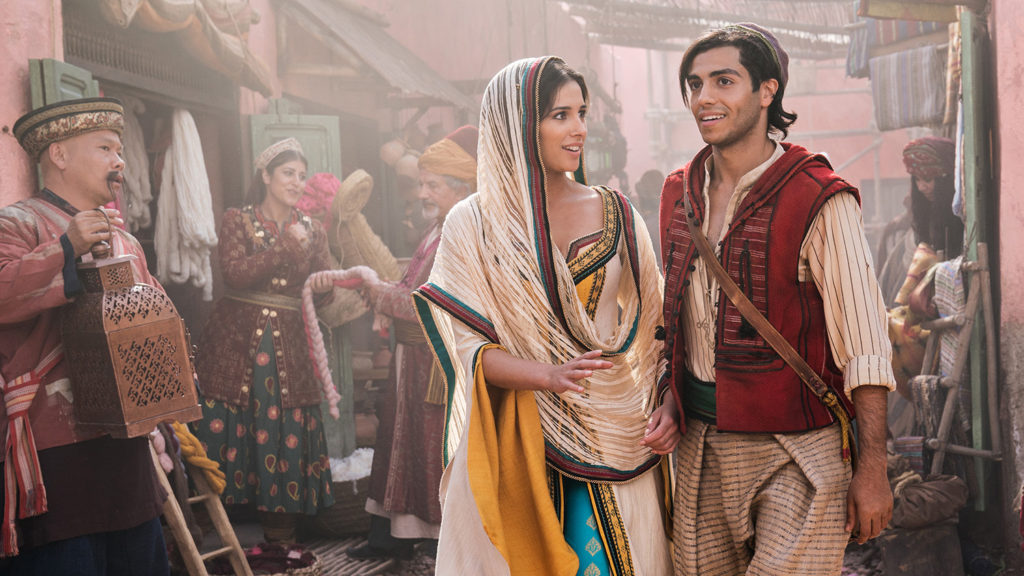
Ritchie’s Aladdin is bolstered by three very strong performances from its lead actors. Mena Massoud and Naomi Scott are eminently charming in the roles of Aladdin and Jasmine. The two have a lot of natural chemistry and give welcoming performances that have the audience rooting for their characters by the end of the first musical number. So far Maleficient is the only live-action adaptation to receive a sequel, but I’d actually really like to revisit Massoud and Scott’s interpretations of the characters in a follow-up.

As the Genie, Will Smith had an impossible task in following the late great Robin Williams, whose take on the character remains one of the most iconic voice acting performances of all time. Smith does a great job in differentiating the two, crafting a character completely different from his animated predecessor. Smith’s Genie is less zany and far less in your face, but he’s still an empathetic figure capable of delivering plenty of laughs.

While Massoud, Scott, and Smith all do an admirable job bringing classic characters to life, the film moves far too quickly to give any of them a chance to breathe. Despite the fast pacing, the film feels like quite a slog with a two-hour runtime. The performances bring their own magic to the table, but there’s only so much Ritchie can do with his film’s organic moments while also serving the narrative of its predecessor.

Jafar might be one of the most memorable villains in Disney history, but Ritchie, unfortunately, diminishes his larger-than-life presence in the live-action film. Marwan Kenzari does a serviceable job playing the character, but he never gets a moment to shine. We learn nothing new about Jafar’s motives and there’s no song featuring the character. He’s the only character who feels smaller in the real world, reduced to merely a narrative obligation.

Ritchie’s Aladdin struggles to find its own voice while constantly serving the narrative of its source material. Like Smith’s Genie, Scott’s Jasmine is a totally different character than her animated counterpart, but the scenes that highlight her personality often feel clunky when mashed together in between recreations of iconic scenes from the original. As a result, the film feels far more derivative than it should, stifling its own sense of originality while trying to juggle too much.

The musical numbers are often entertaining, but perhaps predictably fail to recreate the sense of awe and wonder put forth in the original. The audience knows what’s coming. Ritchie should know that, but he doesn’t do much to trying and recapture any luster. The film is at times far too content to pale in comparison to the original.

Making matters worse is the fact that the strict adherence to the plot of the animated original constantly reminds the audience of how much time is left in the film. The two-hour runtime is far too long for something that predictable. It’s rarely outright boring, but the slower scenes aren’t helped at all by the familiarity of it all.

Aladdin is occasionally entertaining, but the film fails to stand out in any meaningful way. The actors put forth an admirable effort, but they’re not allowed enough opportunities to truly stand out. There are times when the film feels like it’s trying to do too much, but the result is that it feels like it accomplished nothing at all by the time the credits start to roll. Young children might be wowed by the impressive scenery, but the overall experience is regrettably empty.


Monday

20

May 2019

2

COMMENTS

Game of Thrones Season 8 Recap: Episode 6

Written by , Posted in Blog, Game of Thrones, Pop Culture, Reviews

The difficulty in pulling off a successful television finale largely boils down to the struggle to present a conclusion that fits in line with the show’s original ethos as well as its natural evolution along the way. Game of Thrones is in the extremely rare position of having been based off source material that itself hasn’t concluded yet, plotting its own course for the past few years. Somehow, a conclusion needed to honor George R.R. Martin’s original vision while still providing a sense of narrative closure for all the ways its deviated from the books. On both fronts, it sort of succeeds.

Bran is king. Does that make sense? Sort of, if you try not to think about it. Philosophers have long grappled with the idea of a philosopher king, a ruler who draws his/her effectiveness through a lack of desire to actually possess power. Trouble is, it’s exceedingly difficult to find one of those people. Bran himself hardly fits the bill.

I’ve tried long and hard throughout these recaps not to excessively pontificate on Bran’s powers. We know he knows a lot of things, but he’s been quite selective in what he chooses to reveal to the others. He helped planned the strategy against the Night King, but did absolutely nothing to warn anyone that Daenerys was planning to burn King’s Landing. Only one of those events posed a true existential threat to his power.

Now, maybe he didn’t bother to look at King’s Landing. We don’t know, but that’s because the show decided not to tell us. It’s fair to wonder what Bran’s motives are. For the entire season, it didn’t seem all that clear. Maybe he’s just as corrupt as the worst of them.

Daenerys’ death makes sense from the perspective of needing to wrap up the series. Trouble is, the show spent parts of the first four episodes building up a fight between Dany and Sansa that never really mattered. Jon killed her. Maybe Sansa’s feud with her played a part in that, but it definitely didn’t need to, what with the whole burning innocents situation and Jon’s chat with Tyrion.

The show treated Dany as a protagonist for all these years, only to pivot toward the idea that she was a narrative nuisance that needed to be dealt with before things could be wrapped up two episodes before the show ended. Two episodes are hardly enough time to present a compelling case that such a major part of the story was now suddenly a horrible monster that should be stabbed before she even got a chance to sit in that chair she’d coveted for most of her life.

Kudos to Drogon for understanding all the symbolism in the Iron Throne enough to see the importance in burning it down.

Why did the other kingdoms accept Bran as ruler while the North kept its independence? Why did we need a king? Obviously wheels can’t be broken overnight, but the show never really sold its audience on the idea that the realm needed to stay together. Dorne, which treasured its independence perhaps more so than any other region, doesn’t have any reason to accept Bran.

Seeing Edmure Tully and Robin Arryn again was fun. I liked how the show attempted to portray the Seven Kingdoms again after years of only focusing on a few of the Great Houses, but their meeting felt a bit too condensed for the scope it was aiming for.

Sansa has probably never met Edmure. The scene where she told him to sit down was fun, but they definitely don’t have any sense of familial relationship. Oddly enough, she never even spoke to cousin Robin, who she spent a bit of time with back in season five.

Jon gets sent back to the Wall, a throwback to what almost happened to Jaime when he killed a Targaryen monarch in the throne room. A fitting end for a boring character, even if we have no idea who controls the Wall, or why they even need one in a post-White Walkers world. Glad he got to finally pet Ghost.

Brienne becoming Lord Commander was a pretty great moment, though I don’t envy a life spent listening to Bran’s nonsense. The scene where she writes Jaime’s name in the White Book, which records all members of the Kingsguard, was sort of touching, except for the fact that Jaime hasn’t been Lord Commander for a while. The show never really invested in him caring about the Kingsguard in the way that the books did, especially in A Feast for Crows.

Eye roll for Bronn as Master of Coin. Why would the Reach accept him as ruler of Highgarden?

Sam is a maester now I guess. Why does he get to leave the Night’s Watch? Does anyone care?

Sansa gets to be the ruler we all knew she was capable of becoming. I just wish she could have been ruler of Westeros, not just the North. Would have made a much better queen than her odious brother.

I hope Bran wrote a nice thank you note to Meera Reed for being by his side all those years, only to be cast aside right at the end of season seven. The way that all played out has me wondering if D&D knew what would happen to Bran. Between that and taking over Hodor’s body all those times, he really doesn’t look all sympathetic.

Arya’s journey would make for a great spinoff. I found her ending to be the most satisfying of all the characters, a great callback to the season four finale where she set sail for Essos. She didn’t get a ton to do this season, but the final moment between the Stark children and their Targaryen cousin Aegon was very touching.

Finales are tough. Few are great, many are terrible, plenty are polarizing, and more than a few fall flat. In terms of being divisive, the Game of Thrones finale seems to occupy the space between Lost and The Sopranos, not quite in the realm of outlandish but certainly not fully satisfying either. Definitely one of those finales that will take some time to sink in. I didn’t love it, but I’m open to the idea of that changing down the road.

That’s it for this week, but there’s still some Thrones content to come. I’ll have my full season review next week, along with the recap podcast tomorrow. To all of you who have read these recaps over the years, thank you. It’s been a pleasure.

Wednesday

15

May 2019

0

COMMENTS

Booksmart Is a Hilarious Coming of Age Comedy That Packs an Emotional Punch

Written by , Posted in Blog, Movie Reviews, Pop Culture

High school graduation presents the template for a rite of passage, the informal end of childhood. The uncertainty of college life without all of one’s childhood friends is scary, a disruption of the long-held status quo. The occasion is ripe for adaptation because it provides America’s youth with a unifying sense of journey, something most of us who grew up in this country have commonly experienced.

Booksmart is a film about accepting change. Amy and Molly are two childhood friends who have done just about everything together, putting their broader social lives aside to encourage each other to pursue academic excellence. Such persistence pays off on the college admissions front, but the high school experience cannot be measured in grades alone. The night before graduation the two set out to hit one last milestone, to attend a high school party.

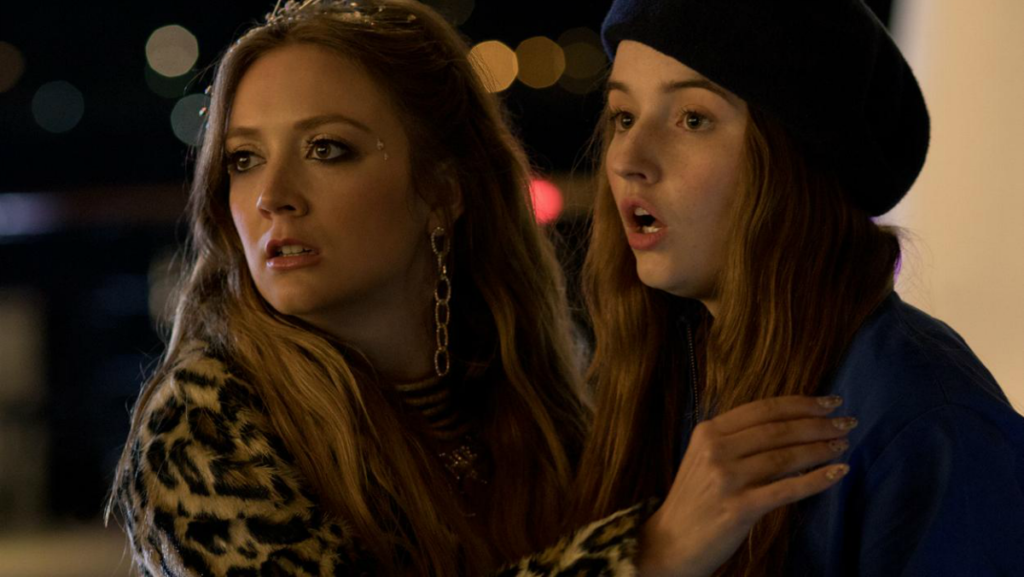
The highlight of the film is without a doubt the natural chemistry between lead actresses Kaitlyn Dever and Beanie Feldstein. The two are perfect together, presenting the kind of relationship right off that bat that most television shows would need a full season to establish. The ease with which their friendship permeates through the screen accentuates the narrative’s emotional resonance, making it easy for the audience to see themselves at the heart of the film’s conflict.

Olivia Wilde puts forth a strong showing behind the camera in her directorial debut, often framing her scenes in a way that brings out the subtleties in her actors’ performances. Like many adaptations of high school, Booksmart presents a fairly absurd depiction of adolescent life where students live out their wildest Snapchat fantasies, but Wilde keeps even her most outlandish scenes grounded in relatable drama. There are many laugh out loud moments, but the script ensures a certain emotional staying power beyond the humor.

The film takes a careful approach to LGBTQ issues. Amy is gay, a trait that isn’t treated as a point of debate or amusement by any of the other characters. Her storyline has its cringe-worthy moments, but those are crafted out of the awkward nature of adolescence rather than as a product of her sexuality. Amy is treated just like any other character, something that might seem weird to point out if it weren’t for the fact that so few similar depictions of LGBTQ youth exist in American cinema.

For a film that takes place over a twenty-four-hour window, Booksmart does an excellent job in presenting its characters as fully fleshed out individuals, even its rather extensive supporting cast. Billie Lourd and Skylar Gisondo, in particular, portray gag characters that still have depth beyond the humor they’re ostensibly around to provide. High school films can often get by on the sheer reliability of their narratives, but Booksmart stands out for its extensive investment in the journey of its subjects.

Booksmart manages to be the funniest high school comedy in years while never losing sight of its powerful emotional core. Olivia Wilde’s first feature film as a director is a powerful showcase of her talents. Few films are capable of making an audience cringe in one moment and cry in the next, but Booksmart possesses a firm grasp of the messy, often hilarious nature of growing up.

Tuesday

14

May 2019

0

COMMENTS

What We Left Behind Is a Heartfelt Tribute to Star Trek: Deep Space Nine

Written by , Posted in Blog, Pop Culture, Reviews

The raw beauty of Star Trek: Deep Space Nine stems from the ways in which it changed the very definition of what it meant to be Star Trek. The primary form of exploration came not from visiting planets, but the characters who inhabited an isolated space station out in the Gamma Quadrant. The show pioneered serialized narratives well before the “golden age of television” ushered in the era of long-form storytelling. As with many trailblazers, the initial reaction proved divisive, but recent years have been kind to DS9, with the ease of streaming paving the way for future generations of fans to experience the show.

What We Left Behind is a documentary crafted to celebrate the legacy of Star Trek’s “middle child.” Co-directed by Ira Steven Behr, who served as the showrunner on DS9, the film takes a thorough approach to exploring all the various elements that went into making such a complex show. The extensive interviews, which feature the entire principal cast, practically every recurring actor, and plenty of members of the production crew and writing staff, highlight the profound impact that the show made on all of their lives.

It’s clear from the very first moments of the film that Deep Space Nine changed the lives of practically everyone involved. Behr does an excellent job not only capturing that energy, but also sustaining it throughout the course of the documentary. Building on that strong connection, Behr brought back a few of the writers to plot what season eight might have looked like. Complete with numerous animated graphics, the prospective episode is featured throughout the documentary, perhaps serving as the best example of the show’s staying power after all these years.

While the Deep Space Nine’s streaming and DVD releases haven’t had the same complete HD makeover that its two predecessor series received, most of the footage from the show included in What We Left Behind has been beautifully modernized. The show looks absolutely spectacular in HD. The chance to see one of the series’ many space battles up on the big screen with that kind of careful restoration is well worth the price of admission itself.

Behr’s greatest strength as a director is his ability to maintain an introspective lens. Like any show, mistakes were made along the way. An interview with the former chairman of Paramount Television Group Kerry McCluggage in particular took a hard look at the decision to forbid Avery Brooks from shaving his head or wearing a goatee. For all of Deep Space Nine’s progressive values, the show fell short on the subject of LGBTQ inclusion, a misfire that Behr acknowledges head-on in a way that brought me to tears as a gay Star Trek fan. That kind of raw honesty is quite rare for a documentary crafted by people personally involved with their subject.

While the documentary goes to great lengths to avoid being just a “talking heads” retrospective, it is rather powerful when it examines pivotal moments in the show’s production history. There are times when the cast and crew get pretty emotional with each other, understandable given the immense stress of working on a television show that puts out twenty-six episodes a year. Though Behr acknowledges the narrative confines of a single documentary, his film provides an immensely satisfying look at all the elements that went into making the show.

What We Left Behind is a beautiful celebration of Deep Space Nine, crafted with love by the people who poured their hearts into the show. Fans of the series couldn’t hope for a better examination of the show that changed Star Trek. It’s the kind of documentary that makes you want to put on an episode right when you get home, a powerful tribute to a show that lives on in the hearts of so many.

Monday

13

May 2019

2

COMMENTS

Game of Thrones Season 8 Recap: Episode 5

Written by , Posted in Blog, Game of Thrones, Pop Culture

There’s a scene in A Storm of Swords where Stannis remarks that “Ser Barristan once told me the rot in King Aerys court began with Varys. The eunuch should never have been pardoned.” Varys has served five kings, Aerys, Robert, Joffrey, Tommen, and Daenerys. Six if you count those letters he was sending around gossiping about Jon Snow. Has he served any of them well?

Varys has always been a character who claims to care about the greater good, but that kind of manipulative altruism relies heavily on his own desires. As an advisor to Daenerys, he had the ability to use his influence to guide his Queen toward the path he best saw fit, putting aside the problematic nature of that notion. He didn’t do that. Instead, he schemed.

Dany burned a lot of innocent people, looking a lot like her deranged father in the process. Dany has always had that anger inside of her, contrasted with the caring ruler she became in Meereen. In Westeros, she felt unloved, a product of the show’s narrow scope this season.

Assuming Gendry possessed some sort of loyalty to the person who named him Lord of Storm’s End, Dany would have, at least in theory, three major houses supporting her claim. The show doesn’t feature anyone from Houses Tyrell or Martell anymore, but we shouldn’t forget that Dorne and the Reach backed her, along with Yara who now controls the Iron Islands. That’s a big chunk of Westeros, full of people disinclined to back either Cersei or whoever ends up ruling in the North.

No one ever pointed this out to Dany. Not Tyrion, not Varys, not Jon. She feels unloved by Westeros because the show has framed it that way, spotlighting an understandably reluctant North as her primary contrast. From that perspective, a Dany/Jon feud seems inevitable, but from a larger geopolitical point of view, she had a lot more going for her. Until she burned a bunch of civilians.

Are we supposed to care? The character development isn’t great, but this is also a shorter season. The cinematography was spectacular. I loved every minute of the King’s Landing scenes. Sometimes, logic should be damned, especially when it comes to television. TV should be fun. This episode was a blast.

Tyrion looked kind of weird wandering around the battle by himself. He’s been pretty useless for a while now, offering bad advice and scheming to undermine Dany. Sure it was nice that he cared about the innocent people, but Dany just wanted to hear some bells before she went on a killing spree.

Grey Worm killed Harry Strickland. We didn’t need Harry or the Golden Company, but some elephants would have been nice. Not much of a battle.

Euron died happy. Favorite character in season eight. Glad to see he went out with a bang, even if it didn’t make a ton of narrative sense.

Jaime’s scenes totally undercut his relationship with Brienne, but he’s not exactly the kind of character destined for a happy ending. I would have liked to have seen his arc drawn out a little more, but this season did a good job of tying up a few loose strands, particularly with Bran.

I never personally bought into the idea that Arya or Jaime would kill Cersei. She’s pregnant. Sure, the show has killed pregnant people before, namely Talisa Stark (Jeyne Westerling), but heroes tend not to do that kind of stuff. Nobody is going to be mad at a pile of rocks for killing a pregnant villain.

My favorite scenes in the episode involved the random soldiers that first tried to stop Arya and The Hound, as well as Tyrion a bit later on. As much as the show feels larger than life in so many ways, it also tends to only focus on a handful of people in this big world. It is quite easy to forget that there’s all these other people in the realm, just trying to get by.

Jon felt weirdly irrelevant this episode. No one cared to listen to him. That’s usually how I feel. Guessing he’ll be caught in the middle of next episode’s inevitable showdown between Dany and Sansa. I’m not really into his whole reluctant ruler act. Sansa should just be queen instead.

I’ve never been a fan of the idea of Cleganebowl. The Hound is more than just his lust for revenge. As his brother, Gregor Clegane died a long time ago. Definitely wish Sandor didn’t sacrifice himself to take down a walking corpse. Arya and he could have had a great spinoff.

Stay weird Qyburn.

Arya chooses life. Hopefully she goes to Storm’s End and lives happily ever after. I imagine she’ll factor into next episode, but it’s kind of unclear how unless she goes and assassinates Dany, which wouldn’t make a ton of sense considering how this episode played out at the end with Arya choosing life over death.

Plenty of people will dislike this episode, particularly Dany’s heel turn, for perfectly legitimate reasons. I really enjoyed it, mostly because it was good television. Tyrion and Jaime’s goodbye was compelling regardless of the circumstances. Davos is great as always.

I had fun watching it. Sometimes that’s enough. Having done these recaps for years, I know I’ve taken great pleasure in pointing out all the plot holes, shoddy characterizations, and ways the books have done things better. I do greatly enjoy the show though. This season has been far from perfect, but it’s been entertaining. I will certainly miss it when it’s over.


Sunday

12

May 2019

0

COMMENTS

Pokemon: Detective Pikachu Lets a Convoluted Narrative Detract from an Entertaining Experience

Written by , Posted in Blog, Movie Reviews, Pop Culture

A live-action adaptation of the massively popular Pokémon franchise always carried a degree of inevitability, with the question of plot serving as perhaps the largest looming question. The main video game series and the anime based on it both carry the same general objectives in catching and battling Pokémon. Deploying a similar storyline for a live-action movie could have been tricky to pull off, as the sight of adorable monsters beating each other up certainly presents the possibility of being quite upsetting to watch, especially for young children.

The decision to center Pokémon: Detective Pikachu around a mystery sidesteps this issue, largely taking action out of the main narrative. Ryan Reynolds’ Pikachu is less an electrically-charged rodent than a wise-cracking one, better for laughs than battle. Reynolds is rather amusing in the title role, but such humor feels weirdly out of place in the world of Rime City, far better suited for his other massively popular role in Deadpool.

As a buddy cop movie, Pokémon: Detective Pikachu functions quite well. Justice Smith gives a compelling performance as Tim Goodman, a young man trying to find a place in a world that’s let him down far too often. The narrative doesn’t give Tim that many moments to shine, leaving his overall arc feeling a little clichéd, but the film has much bigger issues than that.

The film takes a remarkably convoluted approach to handling the matter of Pikachu’s ability to talk. As a general rule, Pokémon and humans can’t communicate with each other, but fans of the series will know that there are a few exceptions, most notably in the anime where Meowth talks practically every episode. An unexplained talking Pikachu would not have been much of a plot hole, but the film followed that notion down the rabbit hole to its own detriment.

The mystery at the core of Detective Pikachu is uncomfortable to say the least. Buddy cop movies are less about the destination than the camaraderie enjoyed along the journey, but that’s also assuming that the end goal doesn’t fundamentally change the way you perceive the adventure itself. For some, suspension of disbelief may be enough to sidestep the issues presented, but there still remains the sense that the film opted for a needlessly weird twist that was bound to be divisive.

As funny as Reynolds is throughout the film, after a while, it starts to feel like the film is using his humor as a crutch in the absence of a deeper narrative purpose. At times he feels completely irrelevant to the plot, sounding more like a commentary track than an integral part of the story, which is itself a product of the film opting for a far more complex plot that it needed. Reynolds’ Pikachu is too much of a good thing, never building on an amusing foundation until a clunky attempt to establish some sense of narrative payoff in the third act.

Pokémon: Detective Pikachu could have easily made for an entertaining experience without having much of a story. Adorable creatures and Ryan Reynolds are a match made in heaven, but the film unnecessarily burdened itself with a bizarre plot that totally undercuts the movie. Fans of Pokémon will undoubtedly find much to love in seeing all the beautiful CGI, but the experience as a whole leaves a lot to be desired.

Tuesday

7

May 2019

0

COMMENTS

The Hot Zone Is a Brilliant Thriller That Kicks the Summer TV Season off with a Bang

Written by , Posted in Blog, Pop Culture, Reviews, TV Reviews
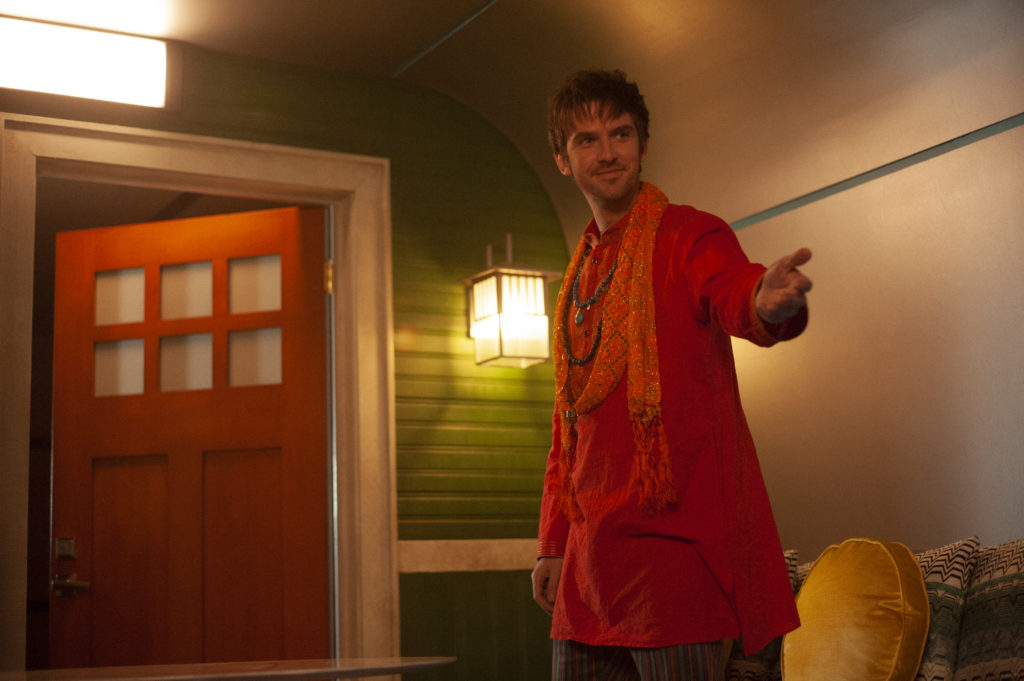
A series like The Hot Zone possesses a kind of natural antagonist that crawls under the skin of its audience through its simple realism. Based off Richard Preston’s 1994 bestseller of the same name, the series depicts the Ebola virus in two separate time periods, from its 1976 outbreak in the central African rainforest to its 1989 discovery in a primate quarantine facility in Reston, Virginia. National Geographic’s upcoming limited event supplies a sense of terror that few series can wield in such an effective manner.

At the heart of The Hot Zone is Dr. Nancy Jaax, an Army colonel working as a veterinary pathologist at the United States Army Medical Research Institute of Infectious Diseases, dealing with some of the most dangerous viruses on the planet. Played by Juliana Margulies, Jaax leads the effort to diagnose and later contain the facility in Reston that potentially possesses an existential threat to America. While dealing with the occasional sexist remark, Marguiles plays Jaax as a force of nature on the base, a careful professional working diligently to get to the bottom of what they discovered on U.S. soil.

Aiding her efforts are Dr. Peter Jahrling (Topher Grace), a civilian working in the USAMRIID, who initially discovers that the virus plaguing the monkeys is more than a simple case of Simian hemorrhagic fever, and Wade Carter (Liam Cunningham), her mentor who was on the front lines of the Ebola outbreak in 1976. Carter is also the focus of the series’ numerous flashbacks as he tries to figure out how to deal with the virus tearing apart central Africa. Jaax’s husband Lt. Colonel Jerry Jaax (Noah Emmerich) works alongside her at the base, often acting as a go-between with the higher-ups, cautious to prevent the outbreak from becoming a nationwide panic.

The Hot Zone does an excellent job of breaking down the science behind the virus for a general audience. The show takes a thorough approach to the Reston disaster, exceptionally well-paced over the course of its six episodes. The Africa flashbacks provide an additional broader perspective on Ebola, showing the devastating effects of the virus that continue to this day.

Part of what makes The Hot Zone so compelling is its grasp on the nature of suspense. The series hones in on the basic fundamental fear that Ebola invokes, an incurable plague that one can become infected by with a simple breath of air, brutally tearing one’s insides apart as it wreaks its carnage. Several scenes look like they could have been part of an installment in the Resident Evil franchise, with disaster lurking at every corner. Like the characters in their hazmat suits, there’s a natural sense of claustrophobia that reverberates back to the audience.

Character development can be a tricky subject for limited series, especially ones as plot heavy as The Hot Zone. The series takes the time to emotionally invest in its subjects, enhancing its narrative by giving the audience more to care about than just the virus. Jaax is more than a scientist fighting a deadly virus, she’s a mother, wife, and daughter who cares deeply about the people she works with and the nation she’s trying to protect. There’s real tangible growth in this journey for many of the characters, a rarity for a show that almost certainly won’t see another season.

Bolstered by a stellar cast, The Hot Zone is a brilliant thriller that kicks the summer TV season off with a bang. The three-night format is a great way to experience the show, giving the audience two episodes of this delectably bingeable suspense ride at a time. One of the best limited series of the year so far, National Geographic’s adaptation of Richard Preston’s bestseller is a joy to watch from start to finish.