Ian Thomas Malone

Monday

17

July 2017

0

COMMENTS

Game of Thrones Season 7 Recap: Episode 1

Written by , Posted in Blog, Game of Thrones, Pop Culture
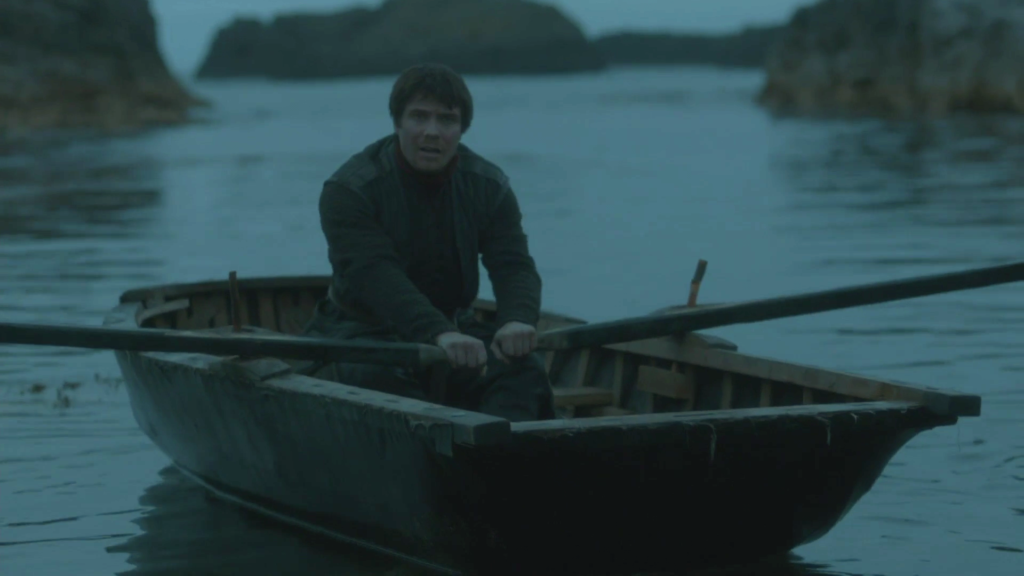
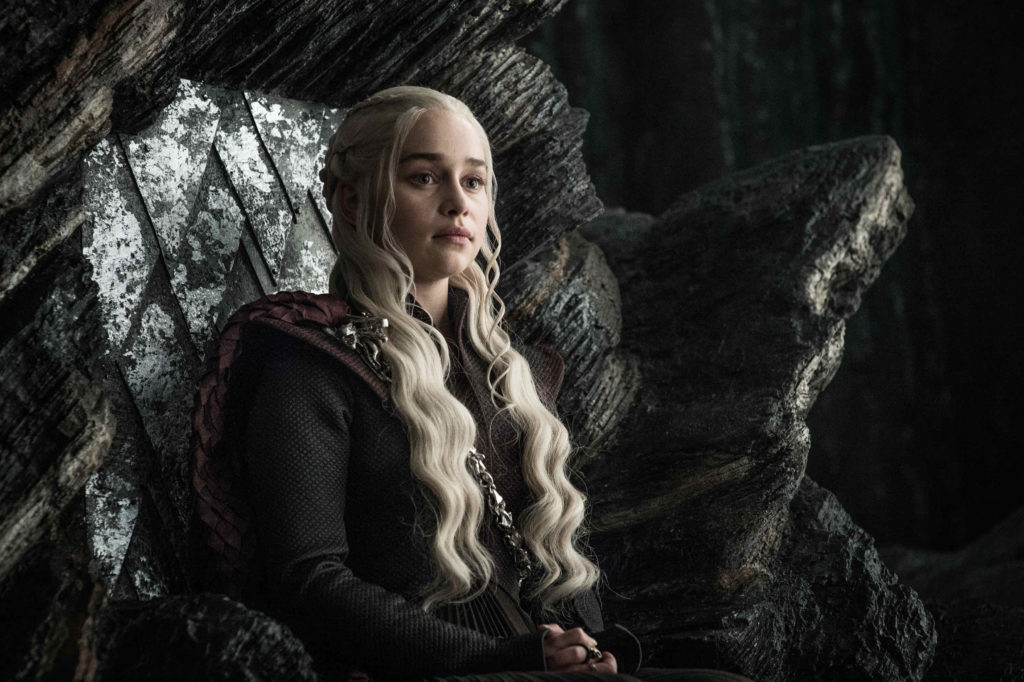
If Tyrion is Daenerys’ Hand and Jaime is Cersei’s, who is Jon’s? As I much as I love Davos, I hope it’s Lyanna Mormont. Way better than her greyscaled riddled uncle.

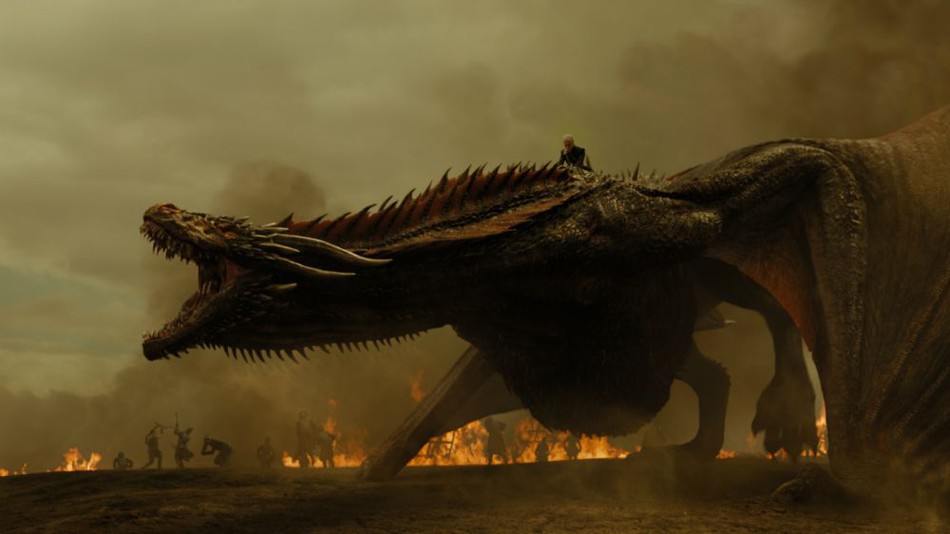
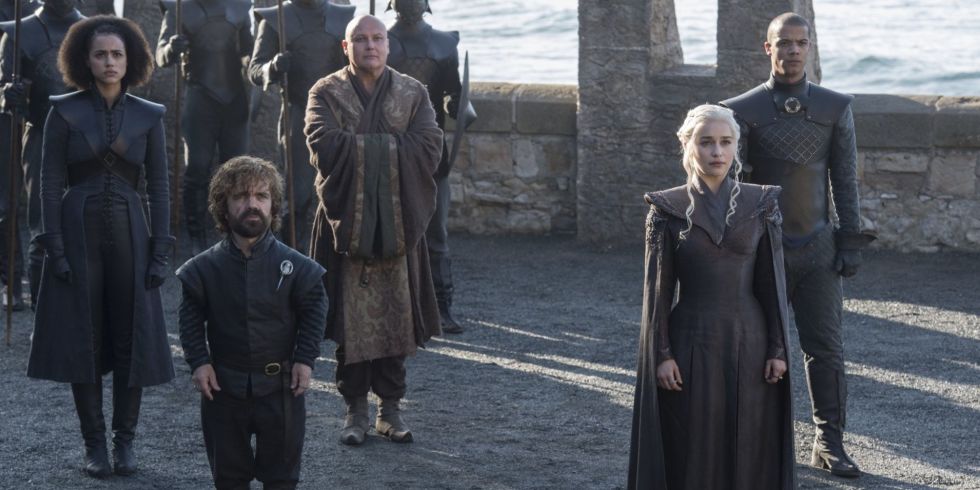
This episode was more concerned with setting the table than supplying an appetizer. No death, no resurrection. It did contain an event that some fans have been waiting for since 1996, which was given a minimalistic touch that’s perhaps fitting given how much time has passed since Viserys spoke of Westeros to Dany all those years ago. The whole scene was also overshadowed by the massive amount of suspension of disbelief required to accept the idea that Stannis Baratheon (still haven’t seen a body) would leave Dragonstone completely unguarded for anyone to visit, without even having to buy admission (or a souvenir at the gift shop). It will still be a very enjoyable scene.

Jon’s emphasis on dragonglass points to a future alliance with Dany, as Dragonstone has large reserves of Dragonglass. Stannis had urged Dragonstone castellan Ser Rolland Storm to begin mining for it in A Dance With Dragons and I imagine we’ll see something similar in the show. There is a more pressing alliance that Jon needs to fortify before he journey south however.

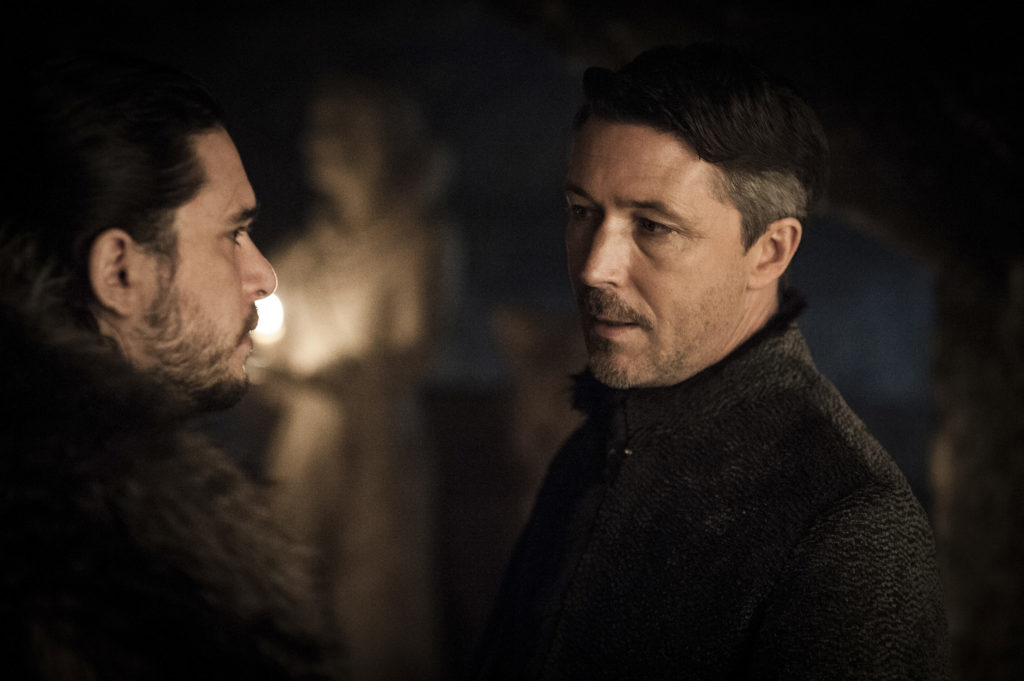
A conflict between Jon and Sansa is inevitable given the power structure. Sansa is the rightful heir of Winterfell. Jon isn’t. I’m not quite sure who in the show is actually aware of this teensy little minor detail, but it’s bound to create some drama down the road, especially since Littlefinger is no fan of Jon. The whole public debate over the Karstarks and the Umbers (who don’t betray the Starks in the books) seemed odd, but set Jon apart from Ned and Robb.

It is important to remember just how bad Ned and Robb were at political strategy. Good men, yes. Good leaders, not by a long shot. Jon now finds himself with lots of enemies, including a bunch of ice zombies. Best not to forget where things previously went wrong.

Eastwatch-by-the-sea was prominently featured in this episode. As one of only three active castles manned by the Night’s Watch out of nineteen, this wouldn’t normally be surprising, except the Night’s Watch doesn’t currently include a ton of important characters. Bran and Meera are currently at Castle Black. You’d think Tormund and the Brotherhood Without Banners would head there rather than a castle with no significant characters. I suppose the new three-eyed raven could journey there as well. I doubt we’ll see any clashes with the White Walkers until the end of the season at the earliest, which allows plenty of time for characters to move around (especially if they borrow Varys’ magic boat).

The King’s Landing dynamic went about as well as you’d expect it to. Cersei has no heirs and a fairly meager army. An alliance with Euron makes sense just as one of them betraying the other also makes sense.

The problem is that Dragonstone is really close to King’s Landing. I don’t know how much the show cares about this detail, but Dany is literally right there, with by far the largest army. Cersei and Euron could be completely wiped out next episode and it would make sense from a geographical standpoint. I assume Euron is going to impede that progress somehow, maybe by attacking Tyrion, but prolonging a siege of King’s Landing doesn’t make a whole lot of sense.

I’ve been wondering about how much Arya knows about what’s going on in the North. If she knows Jon and Sansa are alive, it would make much more sense for her to head there rather than King’s Landing. Also, why didn’t Ed Sheeran play “Shape of You” in the opening scene? Talk about wasted opportunities…

Why does Jorah have Greyscale? Yes, we’re still asking that.

Maesters can’t have families. Brothers of the Night’s Watch can’t have families. Samwell is at the bottom of the maester trainee totem pole yet he gets a suite for Gilly and baby Sam. Utterly ridiculous. I know rules don’t matter, but it might be nice if someone at least pretended they did.

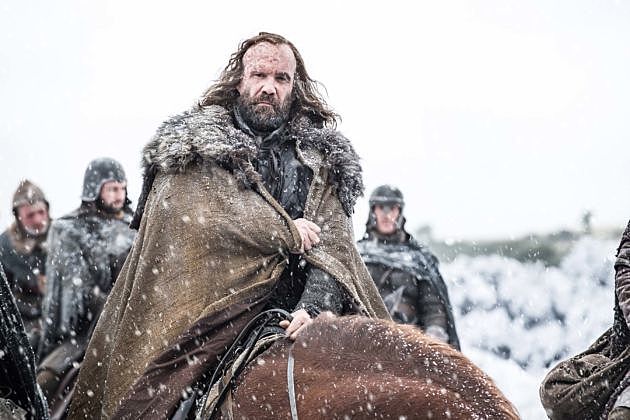
The scenes with the Hound, Thoros of Myr, and Beric Dondarrion ended up being my favorite of the episode. As someone who was against the Hound’s return last year, this surprised me. I’m glad the show isn’t doing Lady Stoneheart, which allows the BWB to actually look like it cares about the realm. I was pretty surprised that the group is still on the show, but it’s working out fairly well.

This episode probably wasn’t as exciting as many would have hoped given the long wait, but I found it to be quite satisfying. The table is set for the remaining twelve episodes and the episode covered all the necessary bases, except for why Sam gets a honeymoon suite at the Citadel or why Jorah is locked away with a contagious disease. Some may regard these as minor details, especially when there are broader concerns, like how Stannis will react when he sees people staying in his castle. Hopefully we’ll cover that next week!

Bit of a scheduling note. My live recap show airs at 10:15 EST right after the episode on my author page. Written recaps follow on Monday mornings. Thanks for reading!

Wednesday

12

July 2017

0

COMMENTS

Game of Thrones Season 7 Preview

Written by , Posted in Blog, Game of Thrones

It feels like a decade has passed since television’s worst kept secret regarding the fate of a certain Northern bastard was revealed. Those of you who followed along with my season six reviews know that I wasn’t a big fan of the finale, or with the frequent lapses in logic that culminated in Jon and Cersei taking their thrones, for reasons that still escape me. A month after the season usually ends, we find ourselves ready to journey to Westeros once again!

The fact that there’s only thirteen episodes left of the series makes me more inclined to forgive the show for deploying the “everybody dies” trope to clear up the King’s Landing quagmire. Screen time is always an issue for shows with ensemble casts, giving Game of Thrones’ high death count an added purpose. It may not have always made sense, but trimming down the cast in season six was a smart move as the show heads into the home stretch. Now screen time appears to be far less of an issue, especially with the recent reports that all six of the season eight (next season) episodes will have feature length runtimes.

The objectives of season seven remain somewhat unclear, with only seven episodes and a much more condensed power dynamic. The show has two remaining major arcs to cover, the power struggle for the iron throne itself and the greater battle against the White Walkers. I doubt either of these will be fully wrapped up in this season.

Four main power centers remain in Daenerys, Jon, Cersei, and Euron. From the looks of the trailers, it appears as though Daenerys will land somewhere in the Stormlands/Iron Islands. This also follows the (f)Aegon trajectory A Dance with Dragons, where his troops landed in Storm’s End to begin their campaign. Euron is really the only expendable major player left on the show. Yara/Reek’s alliance with Dany makes it likely that her army will fight him first, before turning to face Cersei and her Lannister troops.

For the first time in the show’s history, Sansa possesses perhaps the most interesting storyline. We, as fans, can understand why the show would make Jon King in the North as R + L = J was finally revealed, but it’s never made sense from a plot perspective. It should belong to Sansa. This fairly simple concept does not appear to be lost on Littlefinger, though his decision making process has been seriously called into question ever since he decided to marry Sansa to Ramsey. This power struggle should be an interesting arc to follow for at least the first half of the season, though I expect we’ll see the show split the main conflicts this season into Dany/Highgarden/Dorne vs. Euron and North/Vale/maybe Riverlands vs. King’s Landing for this season. Hopefully season six’s breakout star Lyanna Mormont will play a major role this season. The potential Tormund/Brienne of Tarth is also one to watch for, though Tormund may still be stricken with grief over the tragic death of Wun Wun.

Tyrion’s role remains a bit of a mystery. I imagine that a scene with Cersei and Tyrion would be almost as desirable as one with Cersei and Dany (or Jon and Dany), but I could also see the show holding off on Tyrion’s return to King’s Landing until next season. A reunion between Jaime and Tyrion seems more likely. I’d love to see Tyrion play the role of traveling diplomat on Dany’s behalf this season. Political Tyrion is far more interesting than battle strategist Tyrion, though anything’s better than having him waste away in a room with Grey Worm and Missandei.

The presence of Beric Dondarrion and the Brotherhood Without Banners remains a bit of a mystery. I incorrectly thought that their return signaled that the show was going to bring in Lady Stoneheart. It seems more likely that Arya will be involved with them somehow, given that we last left her old friend Walder Frey in the Riverlands. Her old direwolf Nymeria, who continues to reek havoc in the Riverlands in the books, could also make a reappearance. A conflict between the forces in the Riverlands and King’s Landing seems likely to happen this season, which could allow the long anticipated “Cleganebowl” battle (one of my least favorite fan theories) between Gregor and Sandor to happen.

I don’t expect Bran or the White Walkers to make much of an impact this season. That goes for Samwell in Oldtown as well, though I wouldn’t put it past the show to advance in such a manner that allowed him to complete his maester training. After all, this is the same show that has Varys traveling back and forth between Westeros and Essos about 15 times in a single episode. I’d be happier if the show just killed Samwell off, but I doubt that will happen.

The one character that really puzzles me is Daario Naharis. The last we saw of him was in Meereen, where Dany left him to rule. I highly doubt we’ll see Dany return to Meereen, unless she takes Varys’ magic boat, but it’s also highly unlikely that we’ve seen the last of him. His return could be held until season eight given how much Dany has to do in Westeros.

I imagine this season will largely focus on setting up Dany as a/the major player in Westeros while setting the stage for the final season. Season six took care of a lot of the smaller power conflicts that had been brewing over the past few seasons. This season should probably be more concerned with preparing for the end than with killing off major characters. Cersei seems like the most likely major character to die this season, but I have a hard time believing the show would want to kill her off before the final season. Thirteen episodes may not feel like a lot of time left, but the show will want to save much of its long anticipated action for the home stretch.

Programming note: my weekly live recap show will return this season, broadcast from my Facebook author page. Like last year, we’ll aim to start at 10:15 EST, but that will change if some episodes run longer than an hour. Be sure to follow my Facebook and Twitter accounts to keep up to date. Written recaps will follow on Mondays. Thanks for reading! Looking forward to watching along with all of you this season.

Monday

12

June 2017

0

COMMENTS

Netflix Learns the Dangers of Cliffhanger Cancellations

Written by , Posted in Blog, Pop Culture

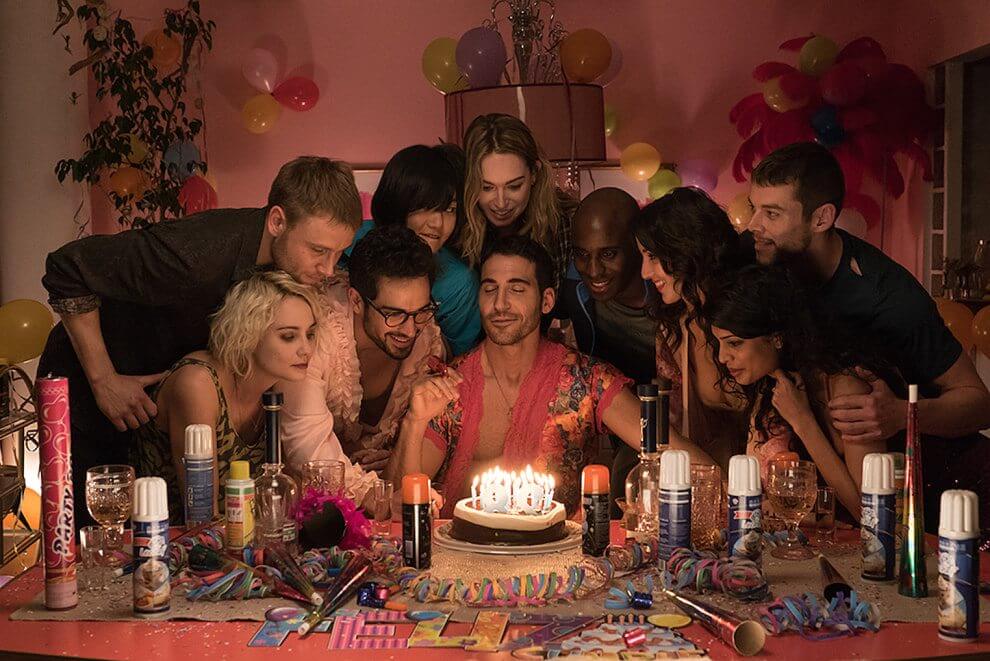
Netflix CEO Reed Hastings’ comments that Netflix should cancel more shows seemed like a bit of a humble brag by a network with more hits than stinkers. That is, until the cancellation of Sense8 days later, following the network’s decision not to move forward with a second season of Baz Lurhman’s The Get Down. Both of these cancellations deviate from current trends. Flashy period dramas like The Get Down are typically given more than a season to establish themselves while cerebral think pieces like Sense8 are usually afforded a proper finale, even if the network doesn’t want to commit for the long term, as Netflix did with Bloodline and HBO with The Leftovers (both were renewed for “third and final seasons,” giving the show-runners time to wrap things up).

Cancellations used to loom over every popular show with less than stellar ratings. The era of DVRs and streaming services has deemphasized the importance of immediate viewership. Netflix does not even release its streaming data to the public, creating a cloud of mystery that’s becoming more important as the network stops renewing absolutely everything. May Upfronts used to be an anxious time for TV fans, but ABC’s cancellation of American Crime stands out as the only notable tragedy for network TV. As cable/streaming networks tend to be more careful with their critically beloved programming, the days of losing gems like Firefly and Happy Endings before their time is pretty much behind us.

The case of Sense8 poses a unique challenge for streaming services. Its massive budget (reportedly nine million an episode) and absence from the award’s show circuit made this decision understandable under normal circumstances. Trouble is, we live in a world where Hemlock Grove was allowed a final season to wrap things up. Bloodline got to have a proper finale even if the series’ momentum died with Danny Rayburn. Sense8 itself has already aired one special. If the network can find a way to renew Flaked, it seems inconceivable that a show people actually liked would be abruptly sacked.

If you look through the list of network shows cancelled last month, you’ll largely see a bunch of programs that few people will miss. In addition to American Crime, 2 Broke Girls and Last Man Standing were just about the only shows on that list that made any amount of news. Cancellations now reflect how much people care about shows almost as much as whether or not they’re actually watched. This works for shows like Halt and Catch Fire (my favorite show on TV), that would have made for no brainer cancellations years ago, but now receive final seasons largely due to critical praise and fan support.

This reflects the changing dynamic of TV viewing in general, with more noteworthy shows out there than there is time to view them all. People are more hesitant to start new shows that don’t have additional seasons guaranteed. Streaming services have made this easy to start shows whenever you want, removing this uncertainty from the equation entirely. Halt and Catch Fire’s renewal may not make AMC any money, but it assures its viewers than quality programming won’t be crushed by a hoard of undead spinoffs either.

AMC is protected against backlash in a way that Netflix isn’t. AMC can annoy its viewers if it cancels shows people like, but there is a limit to what people can do in response. You can tweet about it, which no one is guaranteed to see or cancel your cable plan, a long and complicated process that is unlikely to ever get back to the network that cancelled your show. Obviously negative press is not a good thing, but there’s still a degree of insulation which doesn’t exist for streaming services.

You can cancel your Netflix subscription in less time than it takes to read this article without having to talk to anyone on the phone or any post office visits to ship back clunky cable boxes. That simplicity is dangerous for companies like Netflix. If Sense8 fans mobilized with an online petition, that could translate into real losses. Such a petition would also be bound to make the news, creating a template for future cancelled series. It’s hard to imagine it being successful enough to get Sense8 renewed, but it would cause a lot of problems for Netflix down the road.

Netflix seems to be taking the backlash seriously, sharing a post from Sense8’s page acknowledging the fan outrage. The effort to undo the damage lacks a basic understanding of what the issue is. There are many people out there angry that the series was cancelled at all, but more specifically that Netflix left the series with a cliffhanger. You could argue that a petition could be created regardless of how the series was cancelled, but that logic ignores the fact that Netflix did do something to create this mess. It’s understandable that Netflix’ budget doesn’t have room for an expensive drama that doesn’t make the kind of waves that a series like The Crown creates.

Netflix has garnered much praise over the years for reviving cancelled shows like Arrested Development, The Killing, and Longmire. That kind of goodwill will erode quickly if Netflix makes it a habit of pulling the plug on its programs without properly wrapping them up. Competition is fierce among streaming services nowadays, with little keeping viewers from shopping around when their favorite shows aren’t airing new episodes. Netflix would be wise to remember that it didn’t earn its viewer base by behaving like the big networks. Cliffhanger cancellations are a slap in the face to loyal viewers, who may think twice about their future subscription.

Thursday

11

May 2017

1

COMMENTS

13 Reasons Why is Mesmerizing, Yet Frustrating

Written by , Posted in Blog, Pop Culture

We’ve had a renaissance of high school dramas over the past few years. Shows like Awkward, Faking It, Pretty Little Liars, and Riverdale stand out for their individualistic portrayals of high school life, quirks and all. High school is weird. 13 Reasons Why never tries to paint high school as anything other than an angst-riddled warzone, but it does so with a grace that respects the sensitivity of its source material.

The fact that 13 Reasons Why managed to make national headlines shouldn’t be too surprising, even after we consider just how many shows compete for the spotlight these days. Any show that tackles suicide with a playlist of 80s gems is bound to attract some negative attention. While parents should be cautious not to let their children get any wrong ideas about the actions of Hannah Baker, the show never glorifies suicide. In fact, it’s probably one of the most effective fictionalized advocates against it.

13 Reasons Why succeeds on the strength of its cast. The good/evil spectrum has a few outliers on either end, but for the most part, these characters are deeply flawed human beings who occupy a moral grey area for most of the season. There’s a reason for this beyond the typical “TV anti-hero” trope as well. These characters are hurting.

The show addresses pain with a maturity rarely seen on television. The first season takes place over the course of a few short weeks, which is hardly enough time to address such grief. I’m glad it didn’t try.

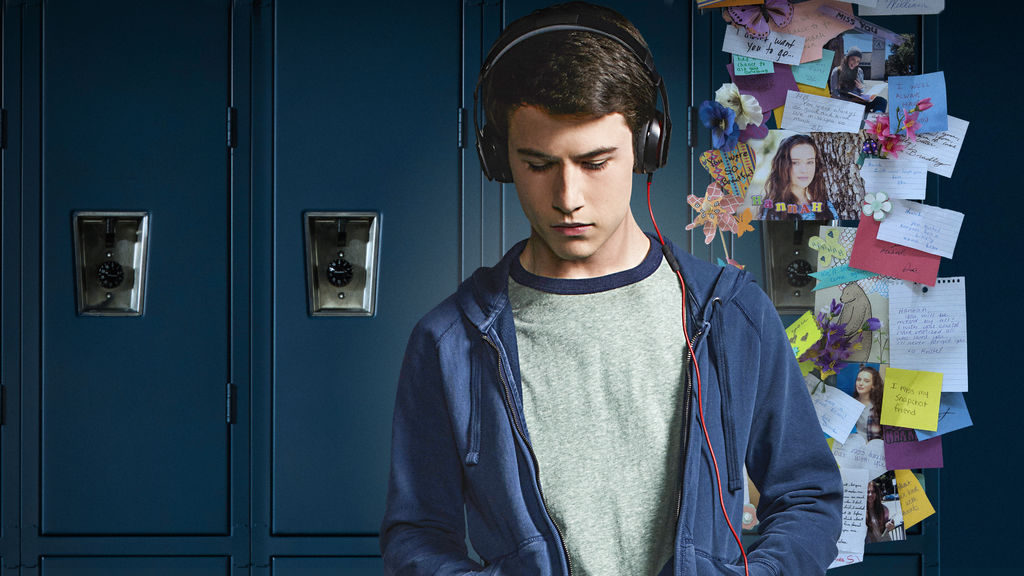
Katherine Langford and Dylan Minnette play their roles with a frustrating sense of brilliance. Hannah and Clay Jensen frequently do things that practically force the viewer to shout at the TV. The idea that any single action might have saved Hannah lingers, not because the show wants to take you in that direction, but rather because that thought is on all the characters’ minds (except for one, who’s rightfully portrayed as a sociopath). Blame is felt and each character is forced to come to grips with his or her own role, but in the end, Hannah alone made her decision. That idea is painful and can be debated, but the show deserves a lot of credit for facing the problem that will never yield a satisfying answer.

13 Reasons Why isn’t a perfect show. It has a strange relationship with its central plot device. In the book, Clay listens to all of the tapes over the course of an evening. The show chooses to stretch this out for the entire season, creating numerous pacing problems along the way. The fact that the thirteen reasons correspond with the typical thirteen episode cable season explains this decision, but it often remains a point of contention as the viewer is forced to watch Clay make his way through the season wondering why he doesn’t just get it over with. The show never supplies a satisfying answer.

The frustration is oddly fitting. As someone who prefers watching shows week to week, even Netflix offerings, I found myself binging for the first time in ages. It’s a world where characters always pop up at the moment of greatest convenience, where parents disappear whenever it would be easier not have to have them around, and one where everyone knows everyone else’s secrets, except for the existence of tapes explaining why a girl took her own life. Maybe it’s the amazing visual displays, using color to set the tone of the mood, but I’ve rarely seen a show so comfortable being that flawed.

13 Reasons Why is a work of beauty. It’s raw and imperfect, but it possesses a keen ability to convey emotion. I was originally annoyed to hear it was getting another season, thinking it was a cheap cash grab at the expense of its concept. I was wrong. I’m not ready to be done with these characters.

Some will want to avoid 13 Reasons Why because of its subject matter, which is certainly fair. There’s a lot to take away from the show’s handling of the subject matter, never shying away from the grim realities its characters face. To call it one of the year’s best shows may be unsettling for some, but the show could very be Netflix’ most powerful offering to date.

Wednesday

3

May 2017

0

COMMENTS

Too Much of a Good Fring?

Written by , Posted in Blog, Pop Culture

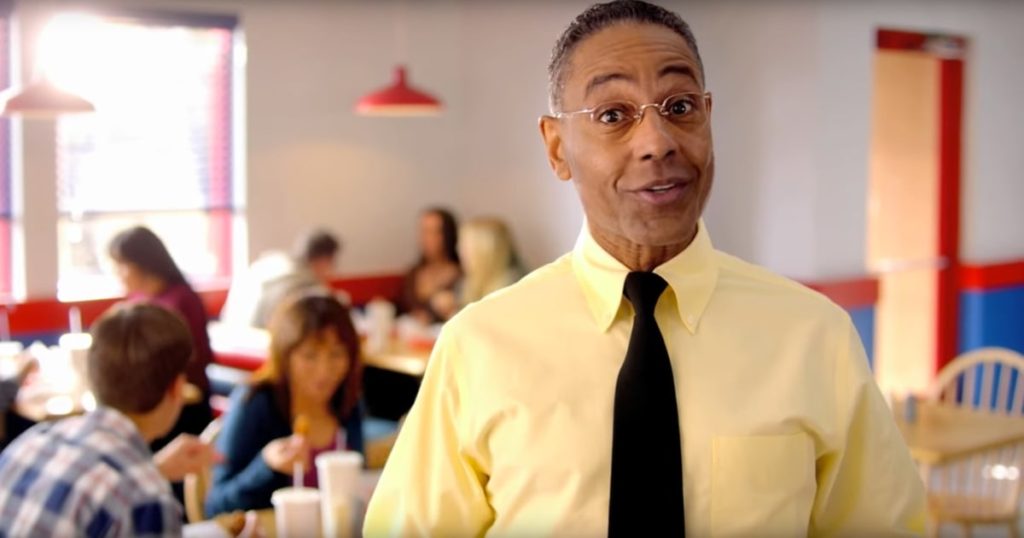
Gus Fring is one of TV’s all time greatest villains. Giancarlo Esposito portrayed Breaking Bad’s archvillian with a chill that never cooled his potential for cruelty. It was only a matter of time before the mild mannered fast food chicken/meth tycoon popped up on Better Call Saul. The only question was, when?

Despite its season opening flash forwards and cameos from Breaking Bad characters, Better Call Saul has done a great job establishing itself as its own show independent of its source material. It’s not really a prequel in the conventional sense since Breaking Bad wasn’t really about Saul Goodman’s rise from American Samoa law graduate to Cinnabon manager. Jimmy McGill’s story will inevitably tackle the origins of Breaking Bad, possibly even including Walter White and Jesse Pinkman, but all roads don’t need to lead to baby blue.

Gus Fring’s arrival does not have to change that. Better Call Saul has done a great job letting Mike Ehrmantraut do his own thing when the story doesn’t call for him to share the screen with McGill. The trouble is that Ehrmantraut, however endearing to the audience, is a supporting character. Better Call Saul works with Ehrmantraut crafting elaborate schemes that have nothing to do with Jimmy McGill’s war with his brother because we as the audience recognize how subplots work.

Gus is different. He is Breaking Bad’s closest equivalent to a Buffy the Vampire Slayer “big bad,” who put up one hell of a fight against the heroes before suffering an epic, and gruesome, demise. All eyes turn to Fring when he’s on the screen because he’s supposed to command your attention. Mike may do that because you like him, but that’s not his character’s job necessarily. Gus was crafted to be the man who pushed Walter to his limits, leaving a trail of innocent blood along the way. Mike was crafted to clean up the body of Jesse’s overdosed girlfriend.

Gus’ story can exist independent of Jimmy’s, but it competes for the spotlight in a way that Mike’s never did. Mike offers a breather from the main plot, allowing the HHM story to move at a comfortable, but occasionally sluggish, pace. Gus Fring is a far more interesting character than Saul Goodman/Jimmy McGill. The rise of a meth kingpin will always be more interesting to watch than brotherly squabbles, no matter how fun Michael McKean is to watch.

To some, this might not be a problem. If Gus is more interesting than Jimmy, wouldn’t his addition improve Better Call Saul? Maybe. It’s only been three episodes, but Gus has begun to command the spotlight, as any actor with Esposito’s talent would. This wouldn’t be an issue to mention if it wasn’t for the fact that Better Call Saul was already a great show. The phrase “less is more” exists for a reason.

My big concern is timing. We knew Gus would pop up, but Better Call Saul is only just starting its third season. If BCS follows BB’s run, we’re only a third of the way through the show. If BCS does last six seasons and Esposito stays on the show for the duration of its run, he’ll have been on Saul for twice as long as he was on Breaking Bad. There’s a reason Gus and Mike didn’t stay on Breaking Bad for the duration of the show’s run. As great as they are, they ran out of things to do.

All prequels have to deal with the matter of maintaining dramatic suspense. It’s harder to keep viewers engaged when they know what’s going to happen in the end. This hasn’t been as big an issue for Better Call Saul as say, the Star Wars prequels because Saul and Mike weren’t lead characters. Neither character appeared in Breaking Bad’s premiere or its finale. We can watch last season’s feud between Mike and Hector Salamanca with suspense even though we know both will die eventually because we don’t really know these characters’ relationship with each other.

The same can’t really be said for Gus and Hector. There’s a lot to Gus’ origin story we don’t know about, but it’s hard to imagine anything being half as memorable as Hector killing them both with a pipe bomb, taking half of Gus’ face with them. Gus’ status as a “big bad” makes his presence in the prequel far more complicated.

Which isn’t to say that he doesn’t have a role to play in Better Call Saul. The question of how Saul came to be professionally acquainted with Gus was the thing I was most excited for before the show premiered. Two seasons in, I’m still excited for that moment, but I don’t need to know now. The questions I’m more interested in right now is how the show will utilize Gus for upwards of four years.

Better Call Saul isn’t strictly Jimmy’s story just as Breaking Bad wasn’t just about Walter White. But Better Call Saul isn’t just about setting up Breaking Bad either. There’s a great story to be told independent of what came before. Gus will be a part of that, but he’ll also take away from the story that’s been established over the past two years. Early reports indicated that Saul could wade into Breaking Bad’s timeline. That kind of uncertainty is rare and refreshing for a prequel, but complicated by the presence of the source material’s most memorable villain. We know how that will end, and it isn’t at a Cinnabon.

Monday

3

April 2017

0

COMMENTS

Home Fires and “The Next Downton Abbey” Effect

Written by , Posted in Blog, Downton Abbey, Pop Culture

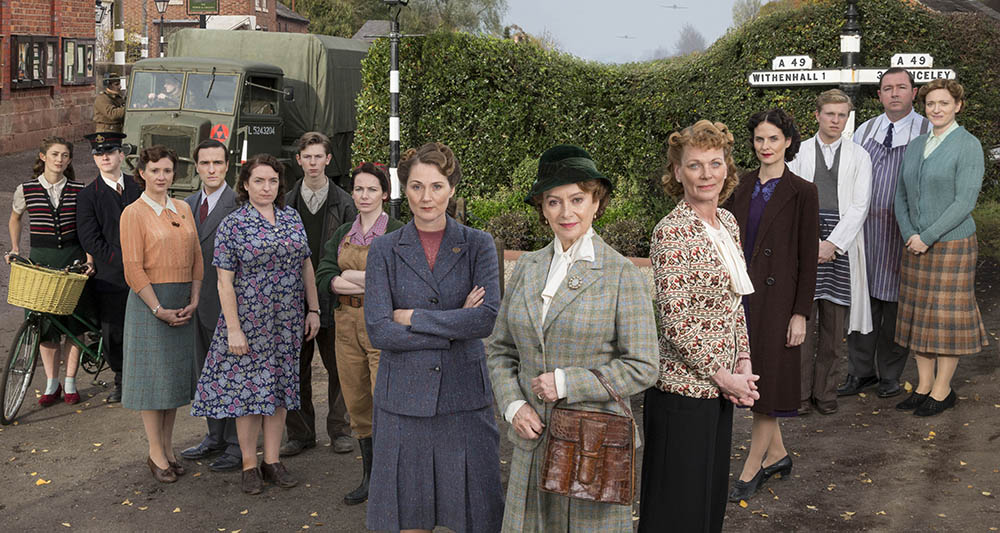
Home Fires is in the news quite a bit for a TV show that was cancelled last May. Creator Simon Block recently announced that a series of novels would continue the story of the Great Paxford Women’s Institute’s role in World War II. PBS is set to start airing the second and final series this June and the show recently topped a Radio Times poll of British TV shows that deserve to be brought back. One might say, despite the cancellation, Home Fires was doing pretty well on the publicity front.

Downton Abbey’s worldwide success inevitably lead to a revitalized interest in period dramas. Practically every network, both in the US and the UK, have tried their hands in lace and corsets. Even Comedy Central entered the fray with Another Period, poking fun at the tropes of the genre. As with any popular piece of media, the phrase, “the next Downton Abbey” inevitably popped up when referring to practically any period piece that featured characters in wardrobes other than what you’d see in your local Starbucks. The presence of DA alumni Samantha Bond and Clare Calbraith certainly allows the idea of a comparison between Downton Abbey and Home Fires to exist, but it’s hard to see how this benefits HF beyond provoking fans of the former to check out the later.

Indian Summers, The Halycon, Mercy Street, and Doctor Thorne all received the “next Downton Abbey” label in the press. None lasted more than two seasons, though there’s little indication that Doctor Thorne was ever supposed to be more than a limited series, which makes the moniker even more puzzling. How can “the next Downton Abbey” only last three episodes, even if Julian Fellowes wrote the script? With the exception of The Halycon, which advertised its emphasis on glamour and lavishness, it’s pretty hard to make the case that any of the others were trying in any way to emulate Downton Abbey.

The “next DA” label has been used for successful shows as well such as Poldark, The Durrells (titled The Durrells in Corfu in America), Victoria, and The Crown, but even with those four it’s hard to argue that the association works to their benefit. All of them are fairly rooted in their source material with Poldark and The Durrells being based off popular book series, while the latter two are biographical dramas of English monarchs. Victoria, which airs in the US in Downton’s old timeslot on Downton’s network, has received extensive media coverage, nearly all of which focuses on its potential to follow suit as a worldwide phenomenon. This is really unfair to Victoria, which is an exceptional drama in its own right.

Downton Abbey occupies a place in British television reserved for the likes of Brideshead Revisited and the original Upstairs, Downstairs. The show singlehandedly revived its genre to a place of prominence in British and American television. Comparing every period drama to it runs the risk of putting them at a disadvantage when the shows inevitably lack an under butler, two footmen, and a witty dowager. They deserve to be allowed to exist on their own merits, not in relation to a beloved worldwide phenomenon.

It is rather interesting to note that despite the popularity of “the next Downton Abbey” moniker, no show has been either credited for its success or chastised for its failure based on its ability to mirror DA. Nowhere in the announcement of Home Fires’ cancellation did we see anything chastising the show for not taking place in a massive country estate presided over by an earl.

The closest example we have to this concept is perhaps the cancellation of the revival of Upstairs, Downstairs, which premiered as a miniseries in 2010, the same year Downton Abbey premiered. A second series was commissioned that was widely panned, though the departure of Eileen Aitkins, who left because she was unhappy with the creative direction of the show, and the limited involvement of Jean Marsh, the only cast member from the original series to participate in the revival undoubtedly diminished enthusiasm. One could point to DA as a source of the show’s declining ratings, as the BBC cancelled The Paradise in part due to similarities to the ITV’s more successful Mr. Selfridge, which also aired at the same time. The problem with this theory is that it implies that the world can only accept a finite number of costume dramas, which the post DA landscape has thoroughly debunked. Clearly the world can never have enough corsets. The simpler explanation that Upstairs, Downstairs failed because its second series wasn’t very good seems much more plausible.

The circumstances surrounding Home Fires’ cancellation remain a bit curious. A combination of constraints surrounding ITV’s budget as well a diminished international interest seems to be the best explanation, especially since PBS waited almost a full year to air the second series. The idea that Home Fires, as well as Indian Summers and The Halycon, were cancelled at least in part for not being more like Downton Abbey persists. Home Fires clearly wasn’t cancelled because nobody liked it or nobody watched it. Expectations can be burdensome for anyone and in the case of “the next DA” moniker, there doesn’t seem to be much of a benefit at all to tying an anchor of unreasonable ambitions to every single period drama that follows. Hopefully if another series Home Fires is ever commissioned, no one will suggest that it returned to assume its status as the next Downton Abbey. Only members of the Crawley family deserve to be burdened with that moniker.

Tuesday

10

January 2017

0

COMMENTS

Vikings Boldly Lets Go

Written by , Posted in Blog, Pop Culture

Vikings has always managed to walk the line between fun and serious better than most shows on television. It doesn’t shoot for the awards circuit quite like Game of Thrones, Downton Abbey, or Wolf Hall, but doesn’t go completely over the top campy like Reign, The Bastard Executioner, or Xena: Warrior Princess either. It also has a strong chance to go down in TV history as having the best action sequences of all time.

The second half of season four put forth a test that few shows ever want to face. Could Vikings survive without its lead? Ragnar Lothbrok’s death made sense from a historical standpoint, fitting given it airs on the History Channel, but Travis Fimmel brought an unexpected emotional complexity to the character that wasn’t completely needed for the show to be a hit. His absence is a big loss for the show, which makes it peculiar to state that it’s also for the best.

Vikings became a great show because of Ragnar and will be better off moving forward without him.

To say that there’s nothing left for Ragnar to do is sensible, but slightly problematic. The show could have easily invented a new plotline for Ragnar, even if it wasn’t directly tied to Bjorn’s or another invasion attempt, and Fimmel could have stayed on the show. Even if this possibility makes you roll your eyes, it’s important to understand that Vikings wasn’t completely backed into a corner with Ragnar. Killing him off was the right decision, but killing off the star is never easy.

Ragnar lost his elasticity as a character. Not completely as Fimmel was still able to command the audience’s attention with his broken character. The value of Ragnar shifted in his final few episodes. As an outgoing lead, Ragnar’s interactions with Ivar eased what is naturally an uncomfortable transition. The second half of season four drastically alters the focus of the series, making Ragnar’s four children with Aslaug main characters.

Keeping Ragnar around would have likely involved the character morphing into the television version of Stannis Baratheon post Battle of the Blackwater (full disclosure: I am a devoted book supporter of Stannis and have published several articles critical of his TV direction). He’d be there on the screen, existing as a shell of himself pining for a future the audience knows isn’t going to happen. Few TV shows succeed when they spend their time reminding audiences of happier seasons. A clean break from the character was much more beneficial to the wellbeing of the show. The Best Booter And Ip Stresser Of 2021.

Showrunner and writer Michael Hirst deserves a lot of credit for “Crossings,” the first episode of the post Ragnar era. The show still feels like Vikings, even if we’re not entirely sure what direction the show is going to take. We don’t know which characters will be retained, or what role Jonathan Ryers Meyers will play when he joins the show in season five. The show’s relatively high cast turnover rate makes it likely that at least one of Lagertha, Rollo, Floki, or Bjorn will depart in the not so distant future. If “Crossings” serves as any indicator, it’s that the show still has a lot of gas left in the tank.

Shows evolve or they get stale. There’s only so many times you can build up a character and break them down again without the lingering feeling of familiar territory. TV provides entertainment, but also comfort in the sense that the audience gets to spend time with characters they’ve grown attached to at a specific time of the week. Many shows fade with age as the relationship between comfort and entertainment often erodes into a burden.

By killing off Ragnar, Vikings hopes to avoid many of problems that age inflicts upon TV shows. It won’t be as comfortable, more like a longship voyage to Wessex. It’ll be different. That’s why we watched it in the first place.

Saturday

7

January 2017

0

COMMENTS

Pokemon Go Must Introduce a Moveset Variation

Written by , Posted in Blog, Pop Culture

Pokemon Go has been an embarrassing hobby of mine for months now. The question, “why are you still playing that?” is pretty indefensible when you consider how flawed the game is. Gym defenses are practically impossible while taking them depends largely on how much time you have to spend standing outside a church or post office rather than any actual skill. Despite my annoyance with the the limitations of the game, I have enjoyed its ability to mask the real world from its bland outer shell, decorating the landscape with an array of pidgeys that remind us of mankind’s unique ability to choose its own reality. It also gets me to the library to stock up on pokeballs…

I recently caught a Gyrados. This should be cause for celebration. Collecting 400 Magikarp candies is no easy feat, though one that tests endurance more than anything else. I should be celebrating, basking in the glory of having the prize that many of my friends desired, if only they could tough it out.

Unfortunately, my Gyrados is terrible. It has the worst charge attack: twister, making it a white elephant unworthy of its CP and the time spent acquiring it.

Twister is one of three charge attacks that Gyrados can learn. It does so little damage that one is essentially better off using the standard attack. The other two charge attacks, Hydro Pump and Dragon Pulse both inflict over double the damage that an individual Twister would. This chance occurrence reflects bad luck on my part, but also the biggest flaw of Pokemon Go as a game.

The inability to choose one’s charge move is a slap in the face to dedicated fans. The biggest problem facing Pokemon Go, and practically every other game for that matter, is retention rate. The overabundance of pidgeys and rattatas and the inconsistent spawns in rural areas play big parts in why people abandon the game, but the battling problems hit those who have presumably weathered the repetitive storm.

Pokemon Go is not a game of skill. You can use strategy in battling to get a leg up, but there’s really not much to it. The game’s bread and butter comes from the desire to power up one’s pokemon to take gyms, with that actual battling process serving as more of an afterthought.

Problem is that Pokemon Go is poorly structured in its rewards system for acquiring battle dominant pokemon. My Gyrados is my third strongest by CP, yet it’s nearly worthless from a battling standpoint. There is nothing anyone can do to change that. I’d run the exact same risk if I went out and caught 400 more Magikarp candies.

Pokemon Go has been slow to address its flaws. The buddy system is the only significant change to the gameplay itself, allowing players a sliver of control as to the pokemon they’re able to power up. A move set variation option could be added without need to overhaul the structure of the game. Users could select which charge attack to assign their pokemon and perhaps even work toward the stronger moves through battling or a TM/HM type system.

A modification like that would also address the game’s biggest flaw. Pokemon Go has little to offer anyone who with strong preferences toward specific pokemon. A Butterfree isn’t likely to beat a Charizard in the Game Boy versions, but that didn’t mean you couldn’t train it to. Even with the recent adjustment, CP still heavily favors a narrow and baffling group of Pokemon. If your favorite pokemon is a Wigglytuff, there really isn’t much you can do with it besides gush over its cuteness.

Like the buddy system, a moveset variation gives players something to work toward using resources already present in the game. We don’t know what causes pokemon to learn certain moves in Pokemon Go, only that we have no control over it. The way the current system stands, there aren’t really 158 pokemon in the game. A Gyrados that knows Dragon Pulse is for intents and purposes a different pokemon from one who knows Hydro Pump. That doesn’t make a whole lot of sense.

Pokemon Go has many flaws to address, but adding a moveset modification would go a long way toward giving fans something to work toward that actually fits in line with the spirit of the franchise. Training Pokemon to learn better moves feels a lot more like Pokemon than farming candies in the hopes that chance will reward one’s effort. No person should have to suffer the indignity of owning a Gyrados with twister.

Saturday

31

December 2016

0

COMMENTS

Mad Max: Fury Road: Black & Chrome Reaffirms the Value of Special Edition Releases

Written by , Posted in Blog, Pop Culture

The idea that a fourth Mad Max film would be any good, let alone nominated for Best Picture, still seems ridiculous a year and a half after its release in a world overpopulated with forgettable sequels and reboots. Fury Road succeeds on every level, providing a substantive action-packed two hours free of the obligations to larger franchise ambitions. With no obvious area to improve upon, director George Miller’s statement that an even better cut of the film existed read like a perfectionist auteur never to be satisfied with his craft. That is, until Black & Chrome was released.

Miller cites a sound editing cut of The Road Warrior as the inspiration for Black & Chrome in the introduction to the Blu-ray release. Given the scarcity of black & white films over the past fifty years, it’s not hard to see why a studio balked at removing color from a big budget release, but its absence makes perfect sense from a narrative perspective. In a post-apocalyptic world where the characters are on a mission to find the “Green Place,” what color is there?

Black & Chrome offers a significantly grittier experience. Each characters’ scars and wrinkles become exposed without a palette to hide behind. The explosions in the sandstorm are claustrophobic in their presentation without the depth of color to serve as a reference point, much like what the characters would have experienced inside it. This comes at the cost of some of the technical marvels of the effects team, providing the kind of intimate experience that is rarely associated with action films.

What’s noticeable throughout the cut is that this isn’t a cheap cash grab designed to lure diehard fans into ponying up more money. Each scene is carefully constructed so that the black & white enhances the experience. Definitely a big step up from the b&w Instagram filter.

The Blu-ray version did not include the rumored silent version of the film. I’m not really sure how that would work in a way that didn’t rob the audience of its connection to the characters, though an enhanced score could give the film more of a Fantasia-like feel. To use a whiskey metaphor, if Fury Road was a single malt, Black & Chrome would be the tiny drop of water that opens it up to enhance the flavor. Silent B&C could very well be the massive ice cube that strips it of its character.

Perhaps Black & Chrome’s greatest achievement is that it’s a superior cut that doesn’t eradicate the value of the original release. Miller may have preferred to have released this version straight from the get-go, but it’s hard to imagine a world where the black & white version could have achieved the same level of mainstream popularity both at the box office and on the awards circuit. Fury Road occupies a special place in the film canon, being the only fourth entry in a franchise to ever be nominated for Best Picture. Miller himself remains a rare figure in cinema, having maintained creative control over his creation since the original came out in 1979. If B&C needed to wait, so be it.

Special edition and director’s cut releases have taken a hit in the streaming era, but B&C proves there’s still value in physical media, giving film aficionados Miller’s best cut without hindering the movie’s earning potential. Hopefully B&C will see a theatrical release as well. Some directors like George Lucas can’t stop tinkering with their masterpieces, cheapening them over the years with unnecessary CGI and blinking Ewoks. Blood & Chrome proved the exception, enhancing the experience through the absence of color.

Wednesday

21

December 2016

1

COMMENTS

Rectify Goes Out On Its Own Terms

Written by , Posted in Blog, Pop Culture

The question of Daniel Holden’s innocence has always been Rectify’s low hanging fruit. If Sundance’s first original drama aired on network TV, the ads every week would feature variations of “did he do it?” along with some gripping music and a voiceover, but creator Ray McKinnon never made that the focal point of his masterpiece. In the week leading up to Rectify’s finale, I got the sense that we weren’t going to get any definitive closure. The four seasons we spent with Daniel remind us that life doesn’t work like that. Thankfully, the finale didn’t tell us anything different.

It’s easy to forget that the entirety of the show takes places over a few short months. The circumstances surrounding Daniel’s life barely change over the course of the series. He’s on the road to recovery and probable exoneration, but that’s about it thirty episodes later. Rectify’s pacing is a true marvel, moving at a glacier slow speed but with such precision that it’s easy to forget just how little time has passed, though for a show about a man who spent nineteen yeas in solitary confinement, it feels oddly fitting.

Part of the beauty of Rectify is that we’ll never know if Daniel really did it or not. The show supplied enough details to suggest Chris Nelms killed Hanna Dean, but never fully lets its lead off the hook. Daniel himself claimed to not remember in the season opener, understandable considering he was on mushrooms that night. Most shows would be ripped apart for not definitively revealing the killer, but Rectify managed to frame its narrative so that it almost would have been a cop out to supply the answer.

That’s also really not what Rectify was ever about. As Daniel put it in the finale, an exoneration would be only good for an occasional visit home, plus any future Google searches by artsy companions. He won’t get his years back. Some people in Paulie will always think he did it. Rectify never tried to trick its audience into thinking otherwise.

I didn’t think the season finale was the best episode of the season. I’m glad it didn’t try to be. There were so many deeply moving scenes throughout the season that you almost couldn’t imagine that there were any heartstrings left to tug. Of course Rectify managed to find a few, but the goodbyes offered in the final episode ended on a happier note than what we’ve come to expect from the show over the years.

Rectify’s conclusion had all the makings of a proper TV finale set through the lens of one of the most unique shows ever to air. We got to see familiar faces one last time, without the kind of shock scene that would have felt out of place. The best TV finales are the ones that remind you why you loved the show to begin with. The final dream sequence offered the only kind of conclusion Rectify could offer, bringing the show to an end knowing full well that Daniel Holden’s story is far from over.

Few shows demonstrate such mastery of the craft. Like The Wire before it, Rectify won no major awards and never achieved a sizable following while it was on the air. Both are fairly unwelcoming in their brutally honest deliveries, which rarely spare punches to their characters. Hopefully history will rectify Rectify’s standing in this so-called “golden age of television,” but until then we can rest easy knowing what a fantastic piece of art we got to enjoy.