Classic Film: Paris is Burning
Written by Ian Thomas Malone, Posted in Blog, Movie Reviews, Pop Culture
One of the harder parts about growing older as an LGBTQ person is the realization that the better tomorrow that was promised isn’t exactly coming. The 2015 Supreme Court decision Obergefell v. Hodges was supposed to turn the page on all the homophobic rhetoric that basks in this nation’s culture. Instead, we got a wave of anti-trans legislation and lobbying to roll back gay marriage that continues to this day.
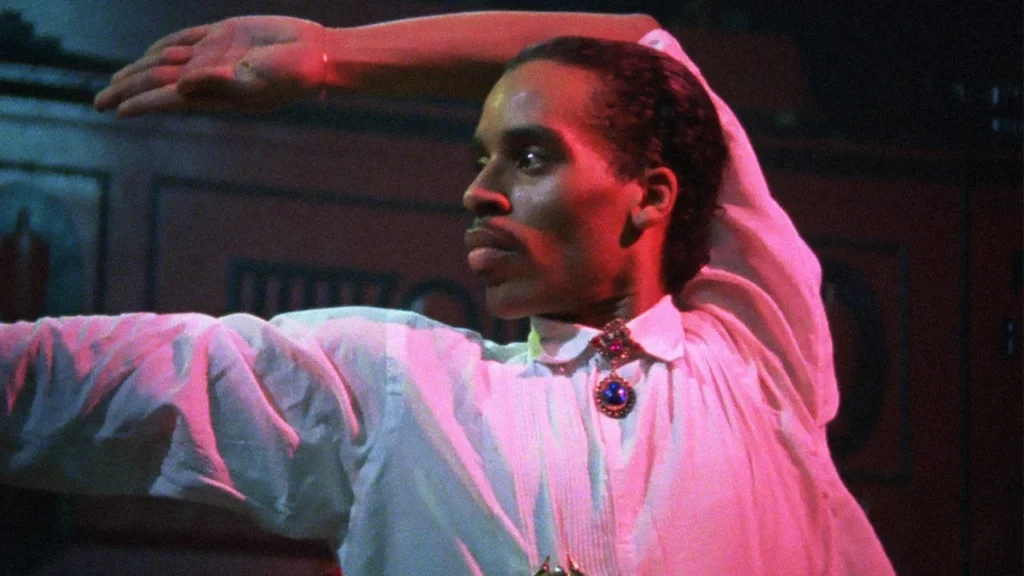
The 1990 landmark documentary Paris is Burning remains an invaluable resource in the queer liberation movement. Set against the backdrop of New York’s ball culture, the film chronicles a diverse group of performers from a few of the “houses” that serve as found families for those who were rejected by their biological parents. Twenty-five years before the mainstream media treated Caitlyn Jenner’s coming out as a “Book of Genesis” style origin story for an entire group of people, plenty of trans folk found community amongst each other.
Director Jennie Livingston presents an easily accessible portrait of ball culture and its origins. The footage captures the larger-than-life feel of walking the runway, the energy in the room radiating through the screen. As many of the interviewees said, ballroom is all they have.
Many of the subjects had grand aspirations for careers in the arts. While performers like Madonna made millions appropriating dance moves such as voguing from ballroom culture, the originators were stuck on the fringes, a plastic trophy serving as the only real acknowledgement of their achievements. The outside world still has its limits for trans folk, especially women of color, but inside the ballroom, they could be anything.
Livingston’s work is inherently bleak at times, filmed in the middle of the AIDS crisis and centered on one of the most impoverished groups in the nation. That dread doesn’t really come across, even with subjects like Venus Xtravaganza, who was murdered before the conclusion of the documentary, a crime that remains unsolved. Their lives are more challenging than most, in a country hellbent on keeping trans people down, but they still find the joy in life.
The most powerful moment in the film comes from subject Dorian Corey, speaking on the nature of activism. Her statement, “You don’t have to bend the world. I think it’s better to just enjoy it,” is an important thing to keep in mind for plenty of trans people trying to survive in modern America.
It’s hard to wake up in an unjust world. Nobody wants to be told not to fight so hard for a better tomorrow. But tomorrow is coming regardless. The fact that it may not look pretty isn’t an excuse not to go out and find the joy where you can.
There can be a certain frustration watching Paris is Burning 36 years later, watching many of the same realities afflict the LGBTQ community. Those doors that the ballroom queens couldn’t kick down are still inaccessible to all but a handful of people. Progress has been made. AIDS, which took the lives of many of the film’s subjects, is no longer a death sentence.
The visibility question is another point that the world seems unwilling to grapple with. What is the use-value of visibility? Trans people existed in the 80s, as the film eloquently portrays.
America today still acts as if trans people are some new, recent thing. Paris is Burning showed full, vibrant communities, decades ago. The world just didn’t want to listen. A disgusting number of states are passing laws trying to pull the wool over the eyes of their own citizens, trying to pretend like the stuff portrayed in this documentary hasn’t always been around.
Like many of the subjects of the film, today’s LGBTQ community may not live long enough to see true equality obtained. That’s a depressing thought to sit with, until you consider how much progress we have made, how much joy there is to be had, if you’re willing to stand up and stand out in a world that doesn’t necessarily want you around.
Paris is Burning is a timeless reminder to have a good time as civilization crumbles all around us. Trans people may never achieve true liberation. That’s no excuse not to have fun along the way.